How Much Does Carnival Cost in the Caribbean?
Cover photo credit: John de la Bastide/Shutterstock.com
Carnival in the Caribbean has a following unlike almost anything else in the region. The people who love it really love it. They plan their whole year around it, travel for it, and keep coming back, chasing that feeling of being on the road with a crowd that is completely, entirely in the moment. It’s one of those experiences that’s hard to explain to someone who hasn’t been, but it’s understood right away by anyone who has.
That said, carnival is not for everyone, and the Caribbean has plenty more going for it beyond any single event. Whether you’re jumping with a band, watching from the side of the road with a cold drink, or just visiting during the season and exploring the island on your own terms, this guide is here to give you the real picture on what it all costs.
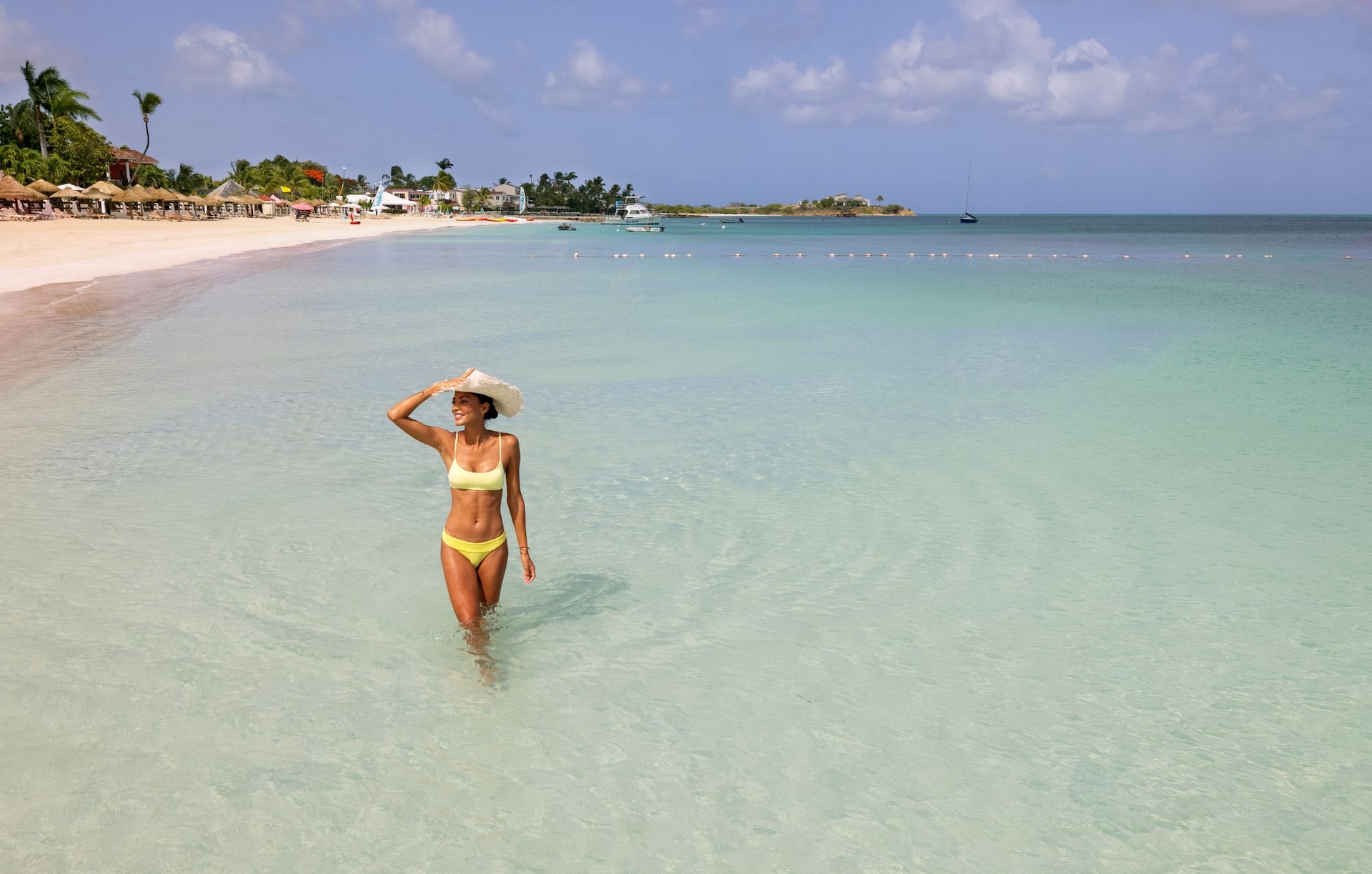
Picture: For carnival trips to the islands, costs matter, but so does knowing what to expect and where to stay. Go from beachside to carnival-ready at the all-inclusive Sandals Antigua.
When it comes to island carnival, one thing is certain: costs vary a lot. A full carnival week in Trinidad with a frontline costume and a packed fete schedule looks nothing like a trip to Saint Vincent where you catch the parade from the roadside and spend the rest of your time on the water. Both can be good options, but again, it depends on what you’re looking for. Also, it’s worth noting that both cost very different amounts. Knowing the difference can quickly help you decide.
Expert Tip: Not planning to do carnival? No problem at all. Every island on this list has plenty going on year-round, from beaches and hiking to food, culture, and coast. Check out our Saint Lucia itinerary guide and Antigua itinerary guide to get a feel for what each island has to offer beyond the season.
Carnival – What Actually Drives the Cost?
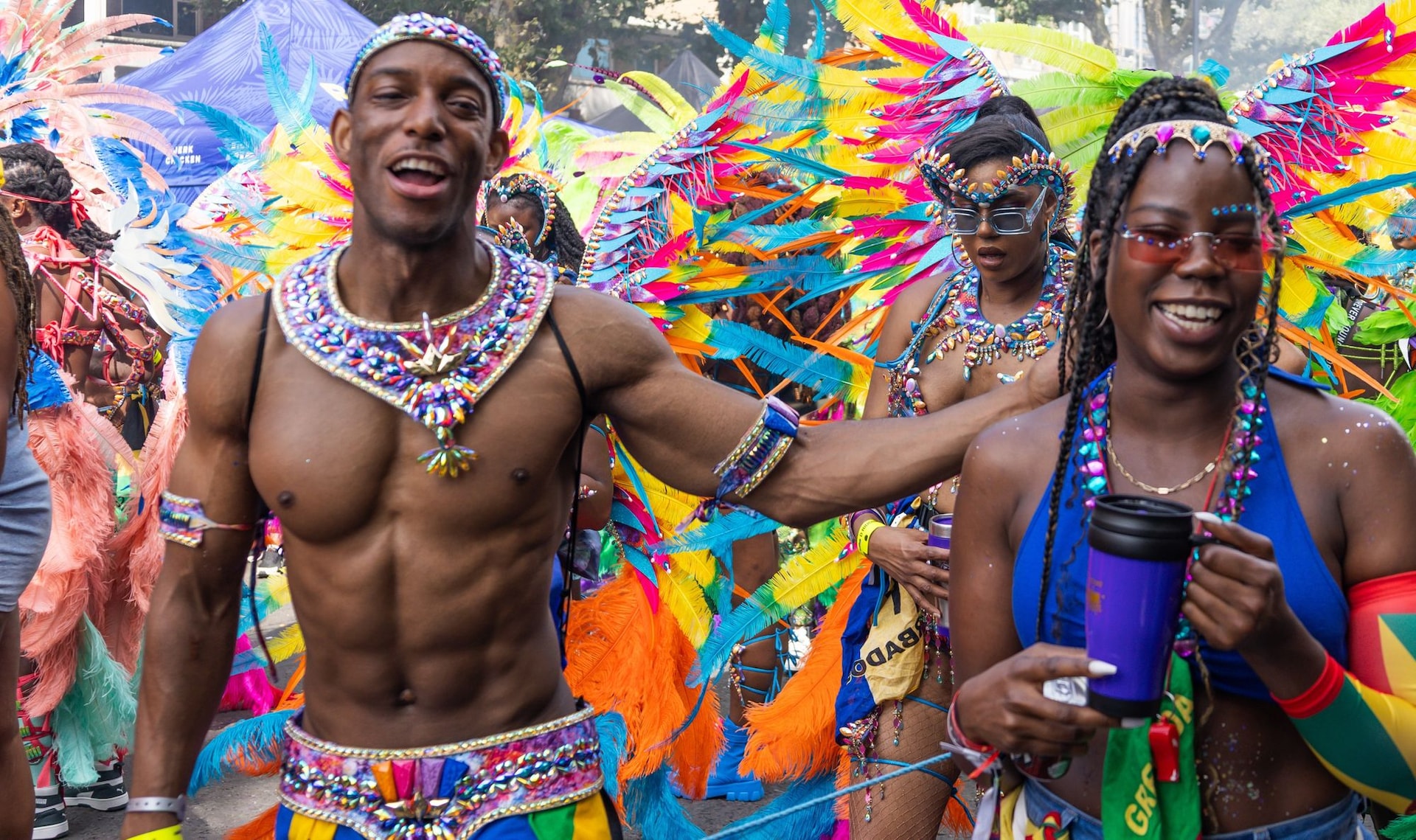
Tartezy/www.shutterstock.com.
Before getting into island-by-island numbers, it helps to know what is actually shaping your spend. Most of it comes down to four things.
The biggest one is whether you play Mas or watch from the sidelines. Watching the parade is almost always free. Costumes are a different story, and depending on the island and how frontline you want to go, that one decision can shift your whole budget.
The number of fetes you attend matters too. One or two events is manageable. A full week of all-inclusive parties in Trinidad or Barbados starts to look like a whole different conversation.
When you book makes a real difference. Flights and accommodation during carnival season on the busier islands climb as the dates get closer. The earlier you sort it, the better the price, and on some of the more carnival-centric islands, rooms fill up months out.
And finally, how you stay shapes the overall cost. A vacation where everything is covered is a go-to for many. A good example would be an all-inclusive resort, which might cost more upfront, but covers food, drinks, and a lot of the daily friction. And the feeling of heading back to your all-inclusive suite to relax once the road festivities wrap up? Priceless!
Good to know: Carnival prices can shift from year to year depending on demand, band options, and timing. This is worth keeping in mind as you plan.
TLDR
Which Caribbean island has the best carnival?
No single answer here, and anyone who says otherwise probably has not been to enough of them. For those who are into it, every island brings something different. Trinidad and Tobago is the biggest, no question.
Saint Lucia is probably the most well-rounded starting point for a first-timer. The Bahamas does its own thing entirely with Junkanoo. Saint Vincent and Curaçao offer some of the best value for a full Mas experience. And Barbados runs the longest season of the lot. Grenada and Antigua keep the fun going, and carnival enthusiasts find that there’s always something to love during festivities in these islands.
The right one is whichever matches your energy, your budget, and what you actually want to feel while you’re there. And if carnival is not the draw at all, every island here is worth the trip on its own.
Cost Breakdown by Island
Parade viewing is free across all the islands listed here. The costs start once you add in costumes, fetes, flights, and accommodation. Here’s how they stack up.
Trinidad and Tobago
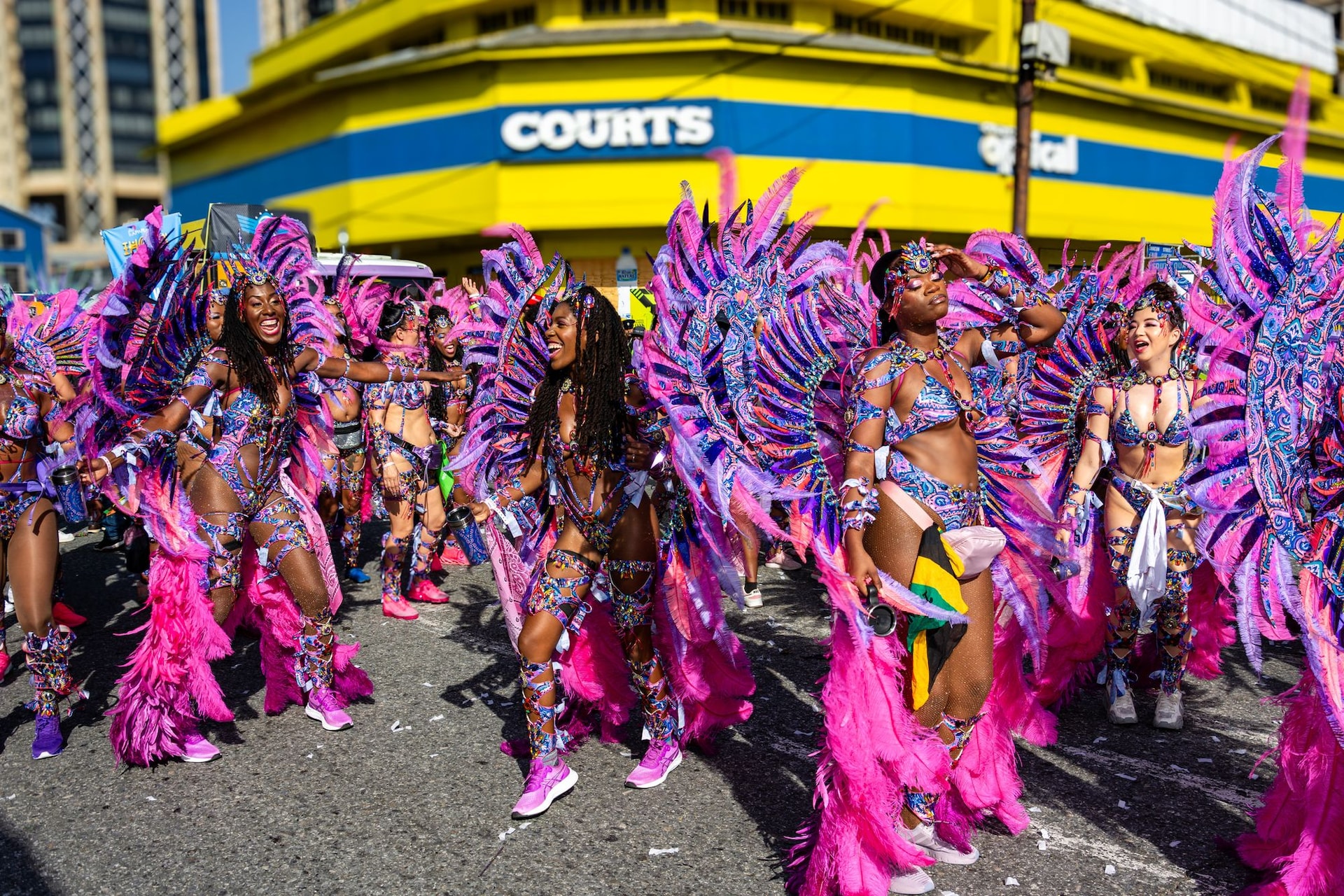
John de la Bastide/www.shutterstock.com.
If any carnival in the Caribbean has a reputation that walks into the room before it does, it's this one. Trinidad is the biggest, the loudest, and the most full-on of all of them. The people who go tend to plan their whole year around it. Fete tickets run from USD $50 to $200, with all-inclusive events reaching USD $150 to $600 or more at the premium end. Costume prices start around USD $800 and can push past $3,000 for frontline sections. Flights from the US typically run USD $500 to $1,200, while European fares sit around USD $900 to $1,500.
A good thing to note is that this isn’t a one-parade-and-done kind of trip. It’s built for people who want to be fully in it, and the crowd that shows up is mostly there for exactly that. If that is you, there is nowhere better. If the pace sounds like a bit much, that feeling is probably telling you something.
Best for: Travelers who want the biggest, most full-on carnival experience in the Caribbean.
Barbados (Crop Over)
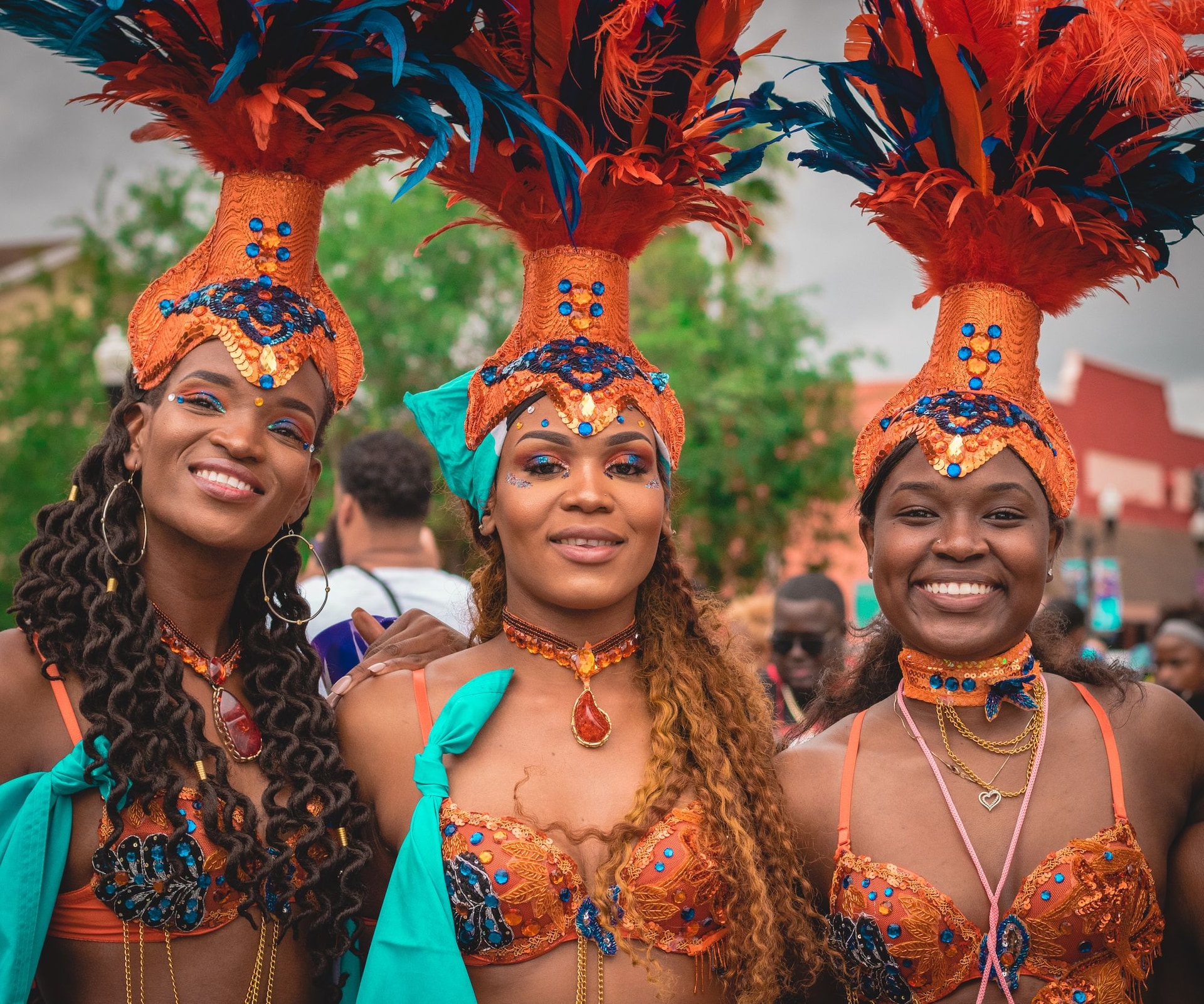
Perris Tumbao/www.shutterstock.com.
Crop Over has its own personality and it has earned it. What began as a harvest celebration has grown into one of the most popular carnival seasons in the region, and one of the longest. The extended timeline means you’re not racing to catch everything in one week. Fetes generally run $50 to $150, with all-inclusive options between $120 and $300. Mas costumes sit between $550 and $1,200. Flights from the US land around $400 to $1,200, and from Europe $700 to $1,400.
Grand Kadooment is the main event, and the build-up to it is worth showing up early for. And if carnival is not the whole reason you came, Barbados has more than enough on its own, from its food scene and coastline to its plantation history and the chill island reset that’s sure to come.
Best for: Travelers who want a long season, a good party circuit, and room to breathe in between.
Jamaica
Steve Sanchez Photos/www.shutterstock.com.
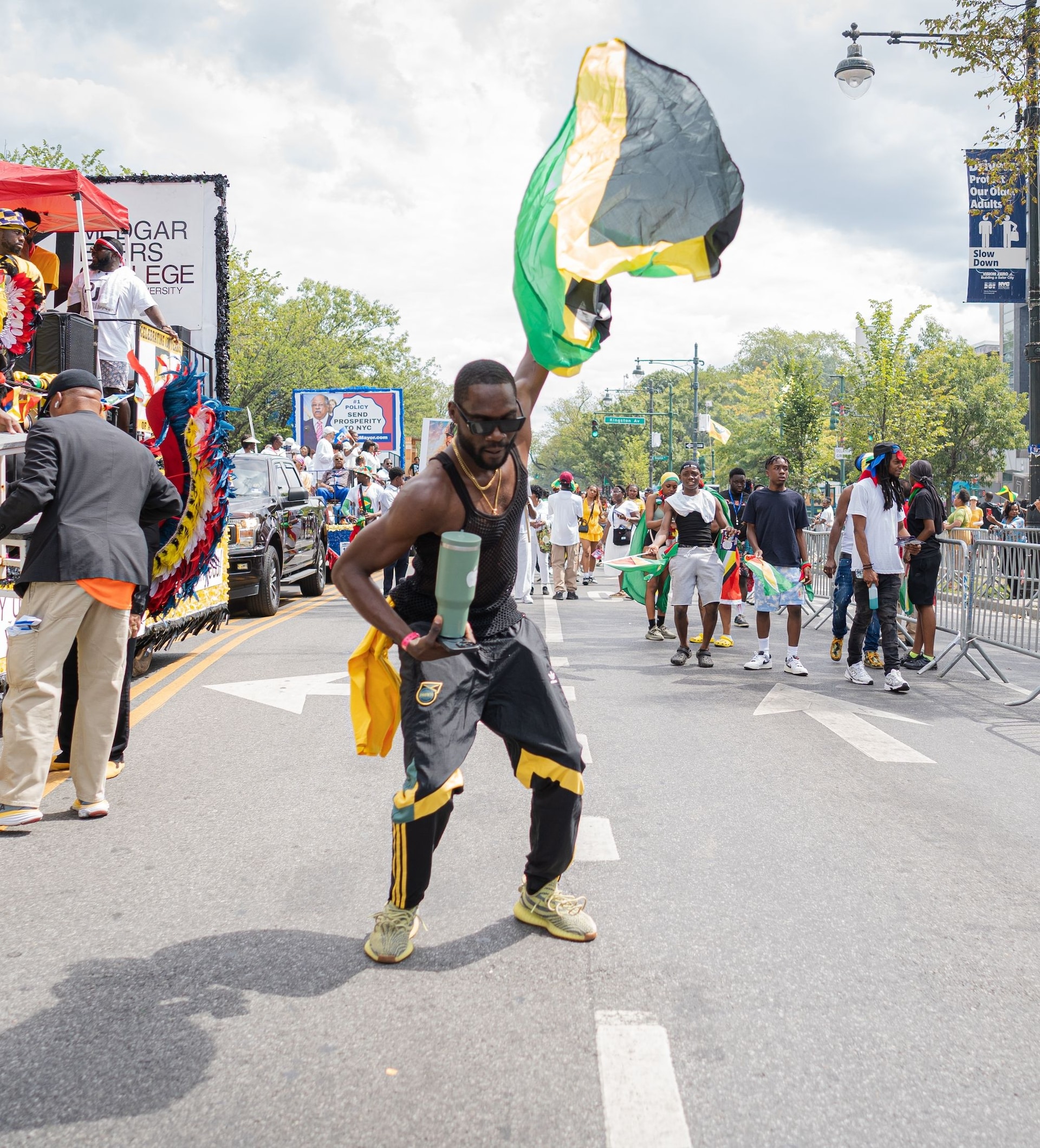
Jamaica’s carnival has a style that’s entirely its own. It pulls a social, fashion-forward crowd, and the fetes lean right into that energy. Event tickets run $50 to $150, with all-inclusive parties going $150 to $400. Mas costumes fall between $600 and $1,500. Flights vary a lot depending on where you are coming from and when you book.
The wider island adds another dimension that you do not always get elsewhere. Carnival sits alongside everything else Jamaica has going on, so the trip tends to take on a life of its own. And for anyone who is not drawn to carnival at all, Jamaica's music culture, food, coastline, and mountains are reason enough to go.
Best for: Travelers who want a good mix of carnival energy and everything else Jamaica does well.
Insider Tip: Want to enjoy the most relaxed island adventure? Staying at a Sandals Resort takes a lot of the daily planning off your hands. Food, drinks, and accommodation are all covered, which means your carnival budget is free for the actual events. Sandals has properties in Jamaica, Barbados, Saint Lucia, Antigua, and Grenada, so you can be close to the action on some of the best carnival islands in the region.
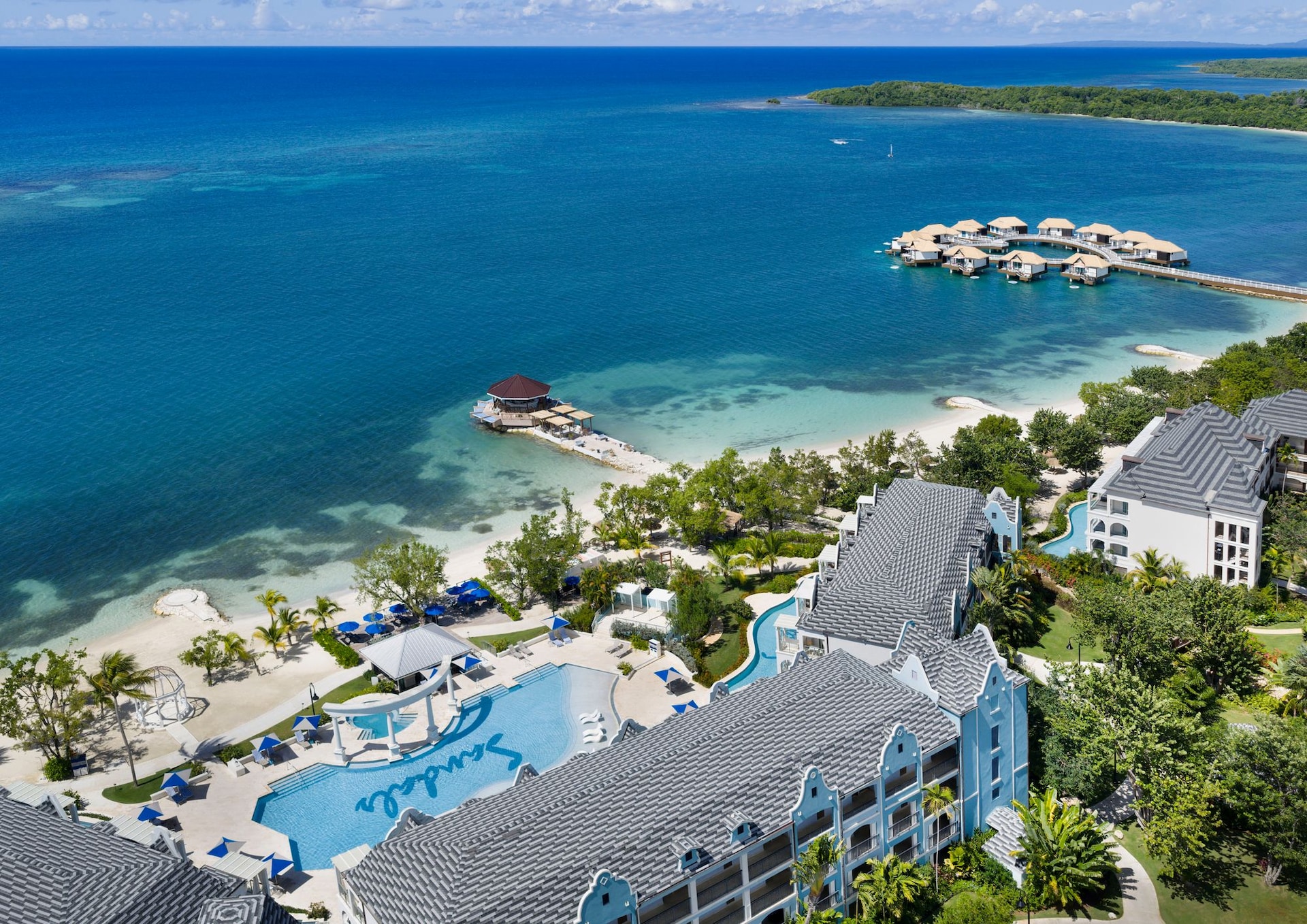
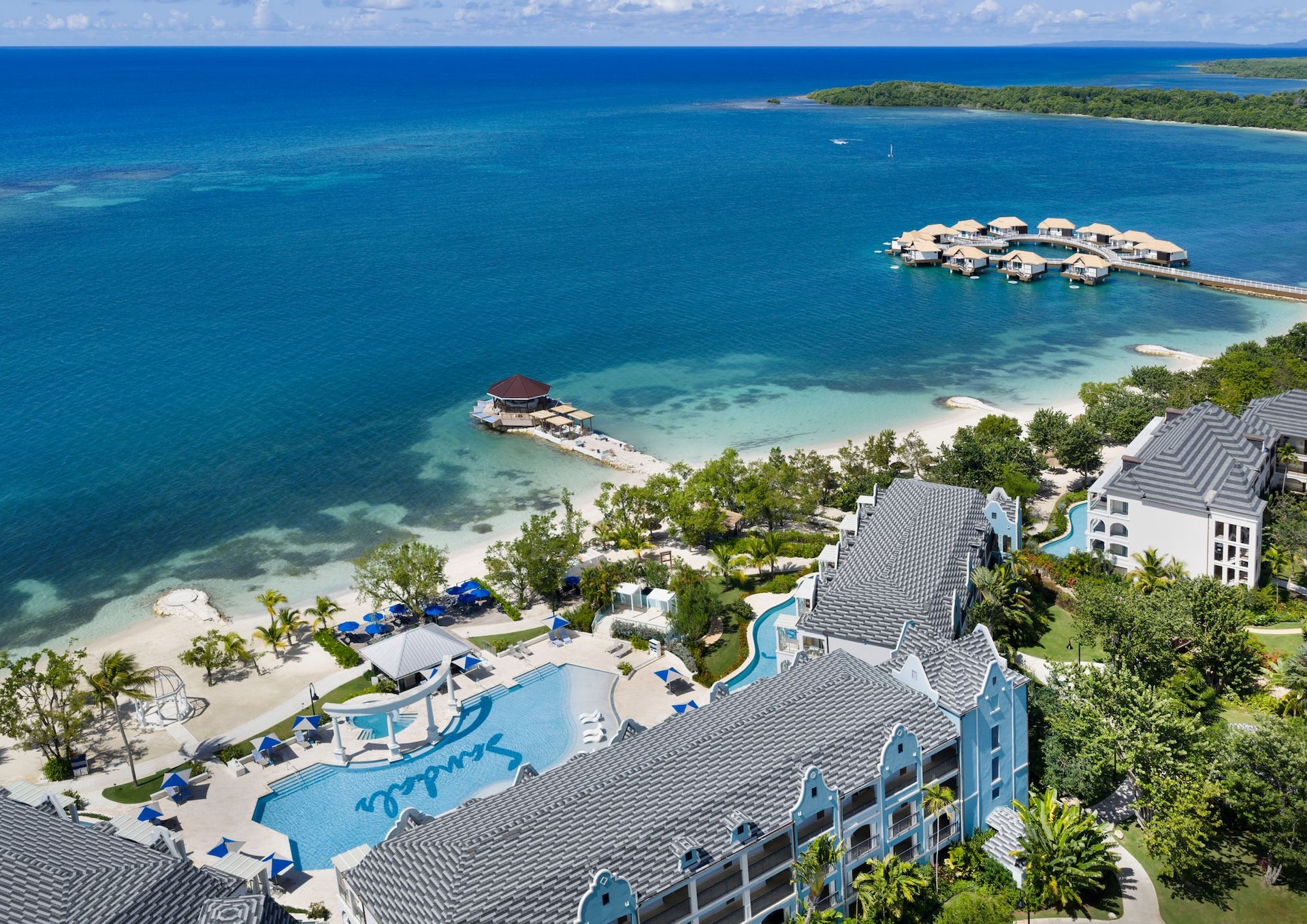
Picture: Sandals Jamaica South Coast in Jamaica.
Insider Tip: Want to enjoy the most relaxed island adventure? Staying at a Sandals Resort takes a lot of the daily planning off your hands. Food, drinks, and accommodation are all covered, which means your carnival budget is free for the actual events. Sandals has properties in Jamaica, Barbados, Saint Lucia, Antigua, Curaçao, Grenada and The Bahamas, so you can be close to the action on some of the best carnival islands in the region.
Saint Lucia
DJSully /www.shutterstock.com.
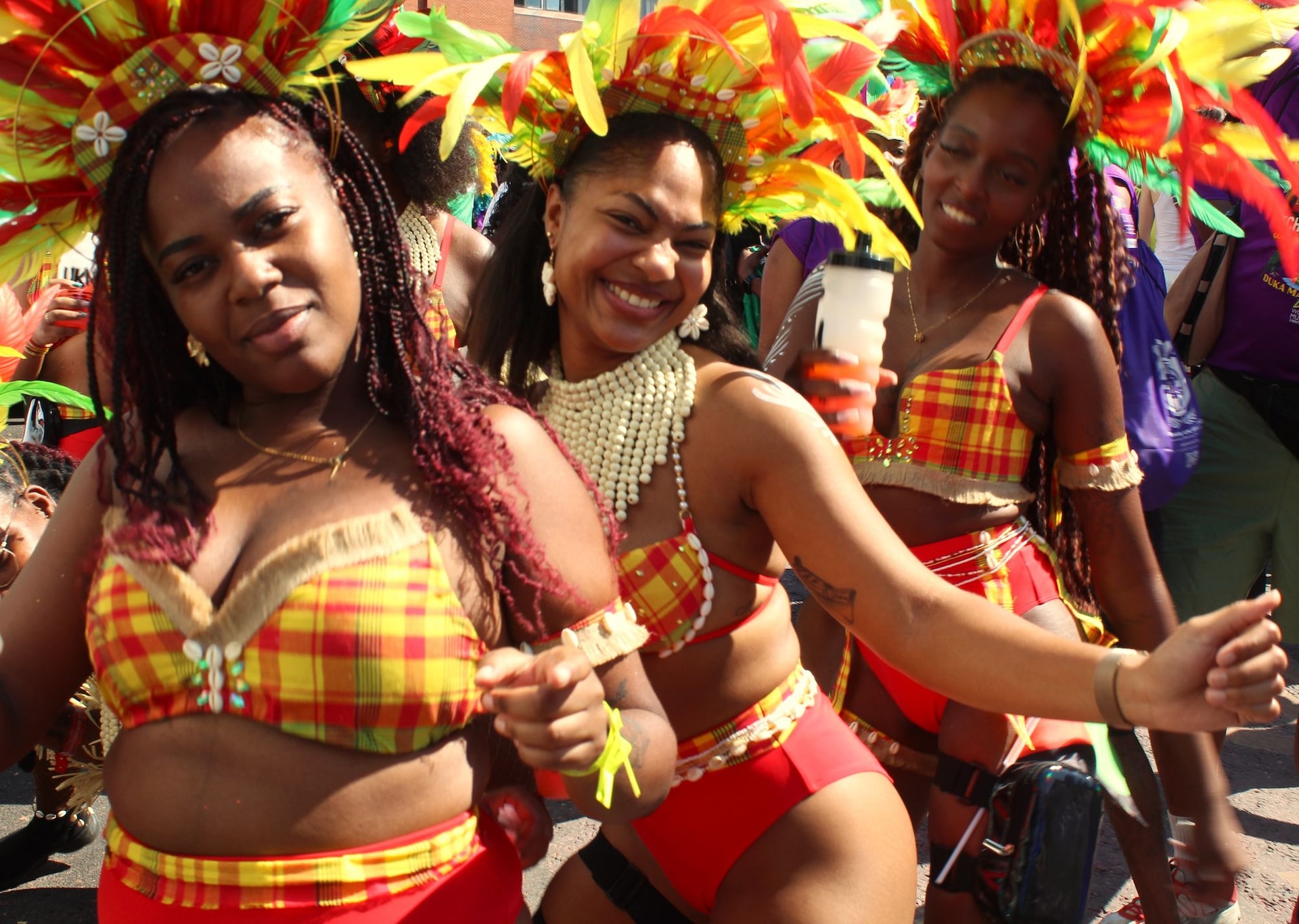
Saint Lucia carnival has been growing in popularity over the years. It’s not as intense as Trinidad and not as drawn out as Barbados, but it delivers. Fetes run from $25 to $125, with all-inclusive options between $200 and $400 or more. Mas costumes start at $400 and go up to $1,500. Flights from the US are between $400 to $800 (sometimes more depending on where you’re traveling from), and from Europe, somewhere around $800 to $1,200.
The carnival dates like many others in the region vary annually. There’s a full calendar of events in the weeks before, so even if the parade is your only must-do, you’ll have plenty to work with. And July in Saint Lucia is a good time to be on the island regardless. The Pitons, the waterfalls, the food, the coast… some of my absolute favorite things to do on the island. And these things all hold up even if you never set foot near the parade route.
Best for: First-timers, or anyone who wants carnival energy without going full throttle from day one.
Antigua and Barbuda
Wirestock Creators/www.shutterstock.com.
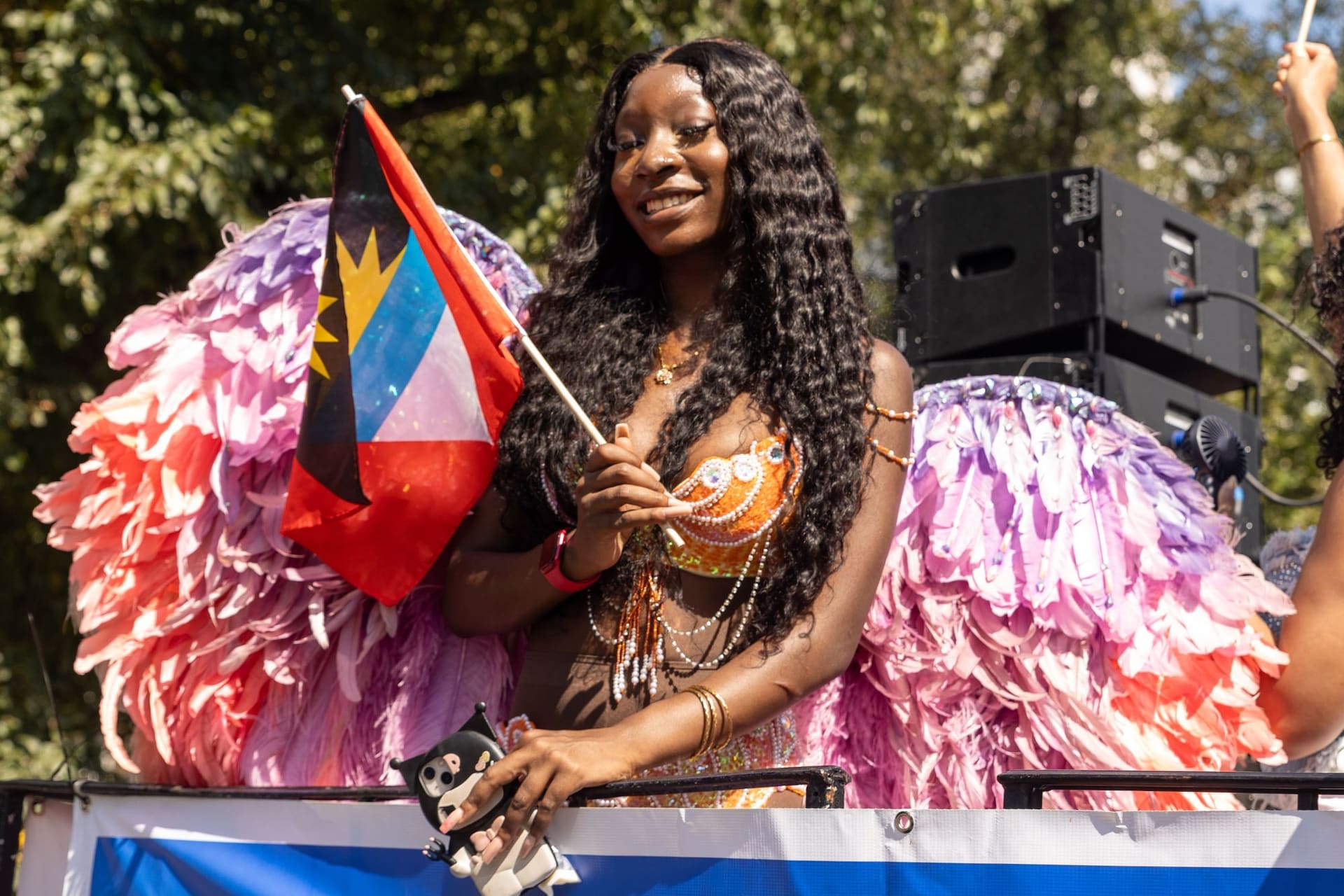
Antigua’s carnival is a growing scene with a lot of heart. Strong local support, a steadily growing international crowd, and costs that stay reasonable. Fetes run $30 to $120, with all-inclusive options around $250. Costumes for Antigua carnival are usually between $400 and $1,000, and flights from the US are usually in the region of $400 to $900, with European fares around $800 to $1,300.
The community feel here is real. This is not a carnival that has been scaled up for mass tourism yet, and that’s part of what makes it good. Plus, Antigua has 365 beaches, one for every day of the year, so there’s never a shortage of ways to spend a day off the road.
Best for: Travelers who want a real Caribbean carnival atmosphere without the big island price tag.
Grenada (Spicemas)
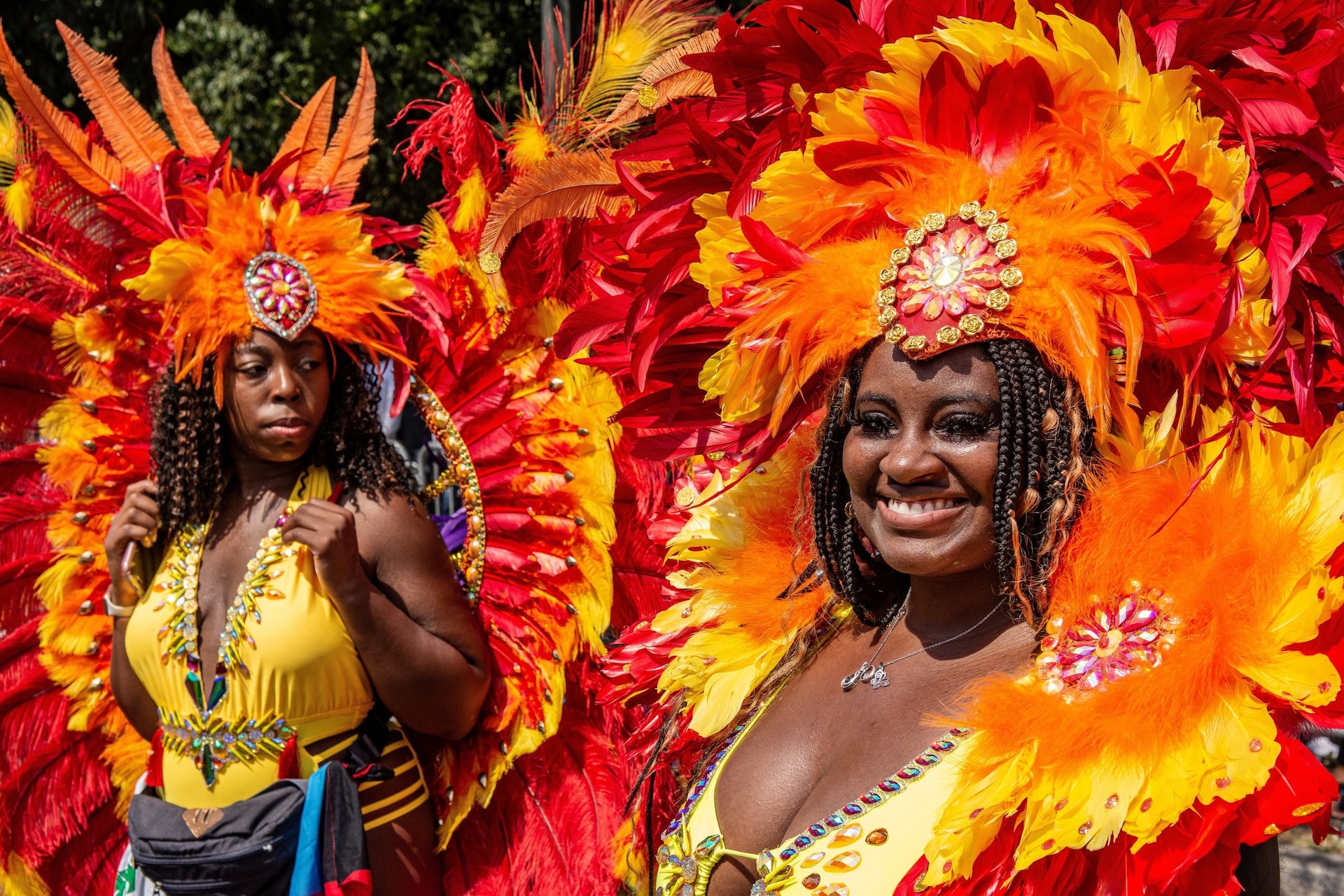
Roy De La Cruz/www.shutterstock.com.
Spicemas is one of those carnivals that more people are starting to find, and for good reason. The culture runs deep here, from the Jab Jab traditions to the full-costume bands on the road. Fetes cost between $20 and $100, with all-inclusive options at $100 to $250. Mas costumes run $300 to $800. Flights from the US are around $500 to $1,000, with European fares at $900 to $1,400.
Beyond the season, Grenada is a stunningly beautiful island with waterfalls, rainforest trails, and a spice heritage that gives it a character that makes it truly unique. It’s easy to spend a week here and feel like you barely even scratched the surface.
Best for: Travelers who want real cultural depth and a more accessible price point.
The Bahamas (Junkanoo)
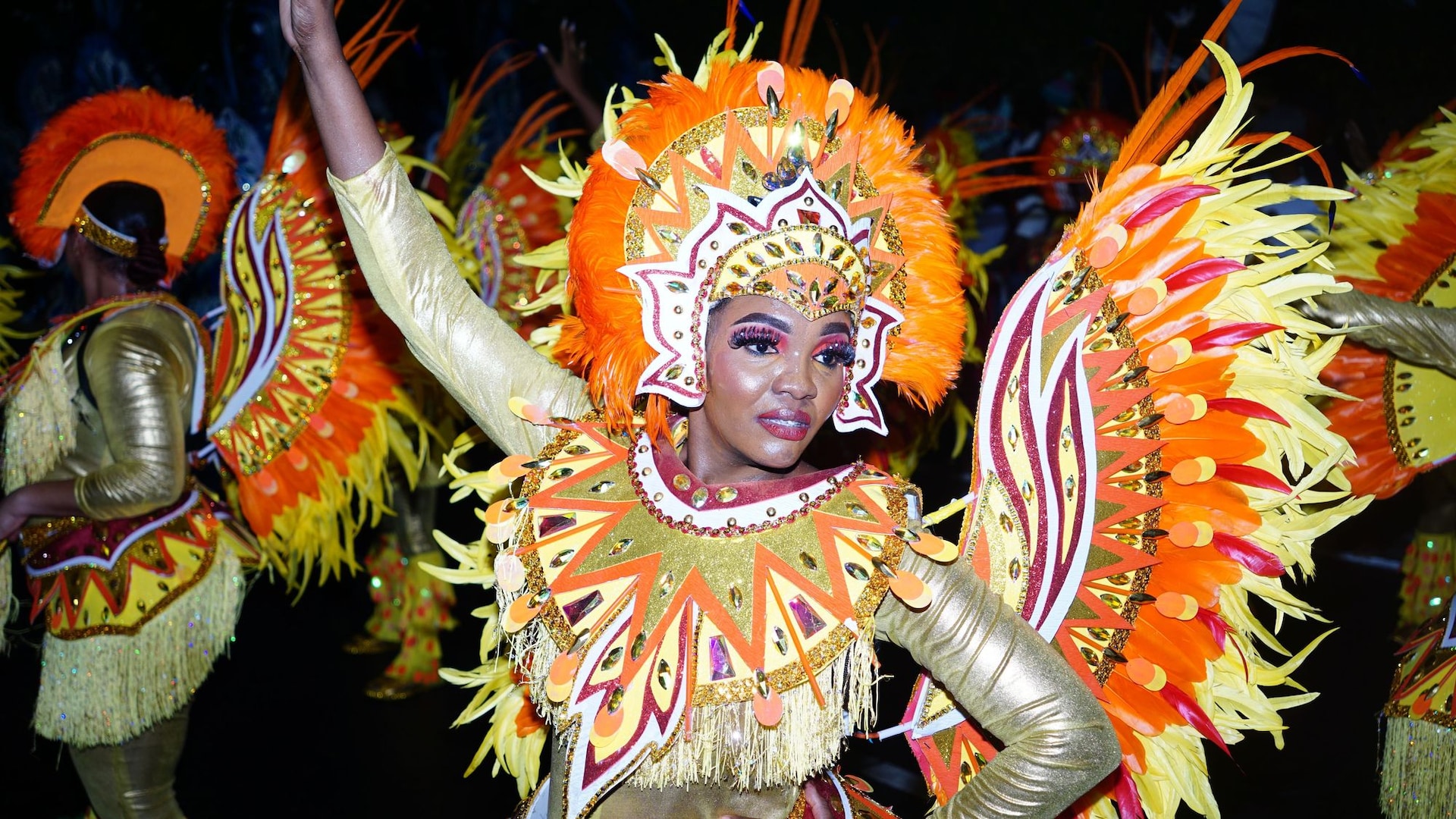
Wirestock Creators/www.shutterstock.com.
Junkanoo is in its own lane and it earns the distinction. This is not a fete circuit and Mas band setup in the traditional sense. It’s something older and more specific to Bahamian culture, a procession of elaborate handmade costumes, live percussion, and movement that goes back centuries. Grandstand seating runs free to around $50. Joining the celebration happens through group membership rather than individual registration.
Flights from the US are among the most accessible in the region, sitting around $300 to $700. European fares are usually $800 to $1,200. Come with the right expectations, meaning an interest in something culturally distinct rather than a soca-and-fetes weekend, and chances are, you’ll leave with something that sticks.
Best for: Travelers who want a culture-first celebration that sits in its own category.
Curaçao
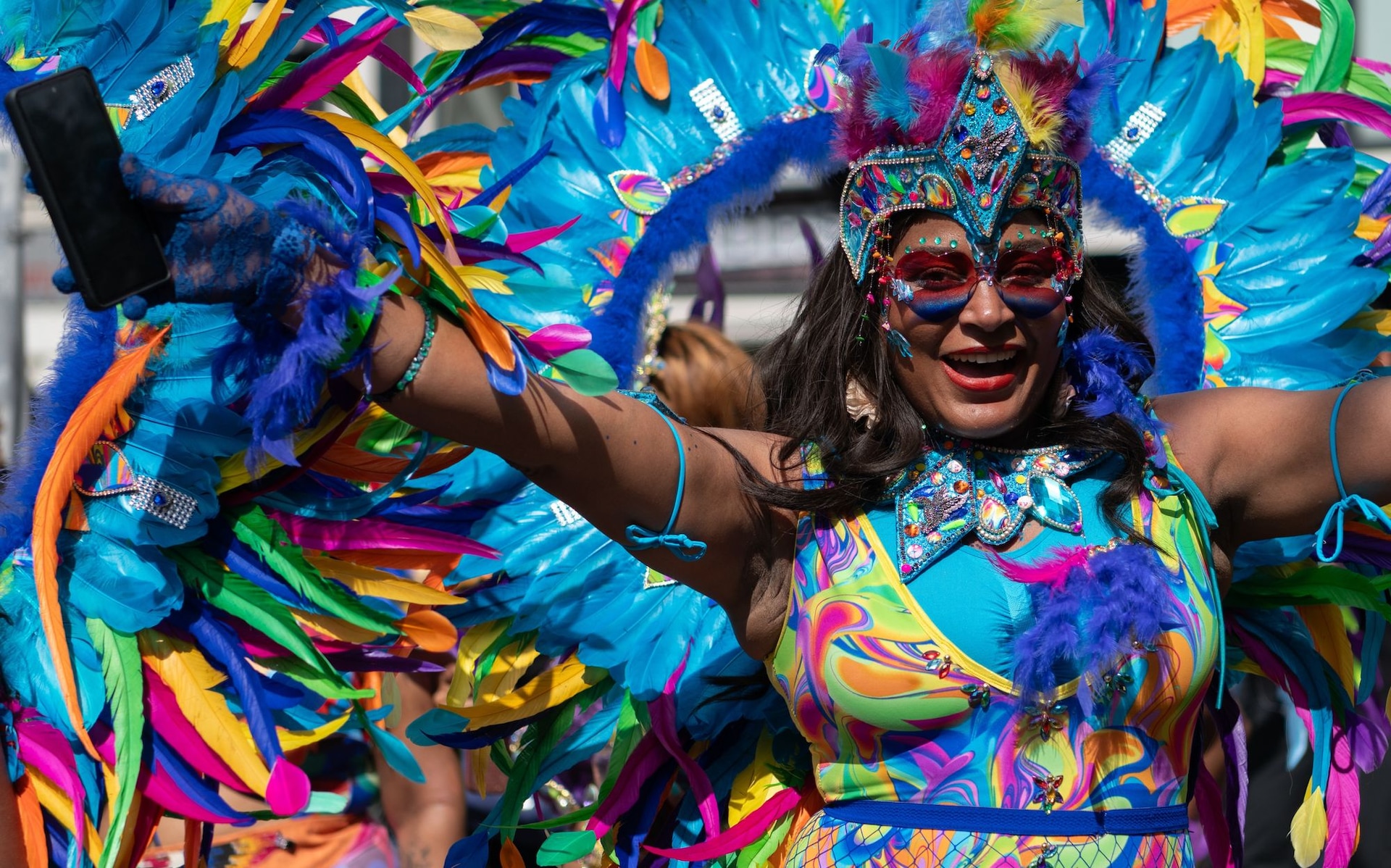
Smeerjewegproducties/www.shutterstock.com.
Curaçao does not always make the top of the carnival conversation, but it probably should come up more. Good energy, colorful, and without the high-spend pressure of the bigger destinations. Most parade events on this island are free. Fetes run from $30 to $100, and costumes are some of the most affordable in the region, generally $200 to $600. Flights from the US are around $400 to $800, with European fares at $600 to $1,000.
The setting here is part of the appeal. Willemstad is one of the more visually striking backdrops in the Caribbean, and outside of carnival the island has strong diving, an interesting food scene, and a cultural history worth digging into.
Best for: Travelers who want real carnival energy with a more relaxed overall spend.
Saint Vincent and the Grenadines (Vincy Mas)
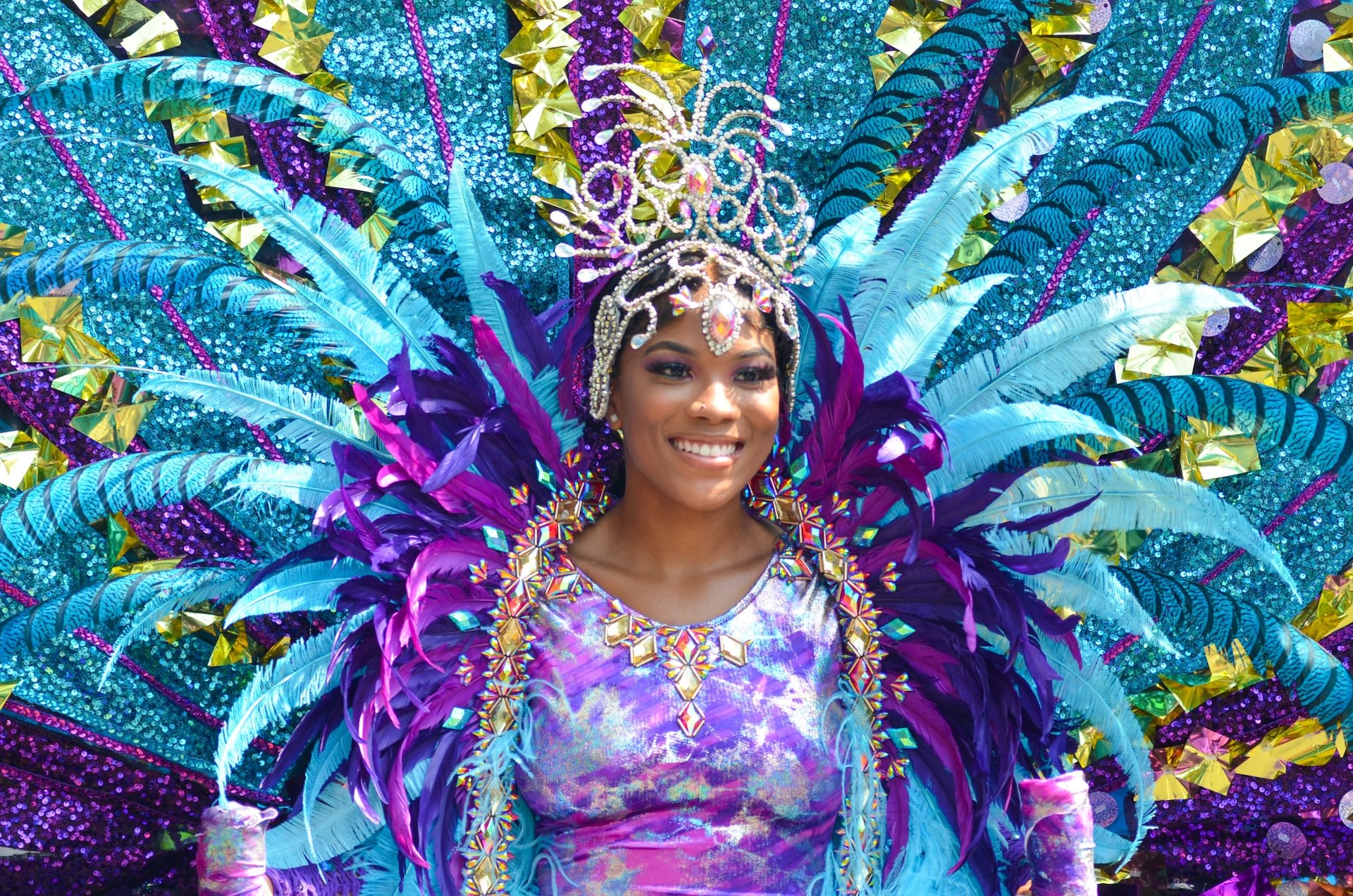
Ryan Rahman/www.shutterstock.com.
Vincy Mas has a feel that bigger carnivals sometimes lose. Community-rooted, music-forward, and affordable. Fetes run $20 to $80, with all-inclusive options at $80 to $200. Carnival costumes in Saint Vincent and the Grenadines start around $300 and go up to $700 or more. Flights from the US are typically $500 to $1,100, with European fares around $900 to $1,400.
And then there are the Grenadines themselves. Sailing, snorkeling, and some of the clearest water in the Caribbean are all accessible from the same base. If the plan is carnival plus a proper island escape, this combination is hard to beat at this price.
Best for: Travelers who want a local, community feel and some of the best value in the region.
What to Expect at the Bigger End of the Spend
The island breakdowns above cover the numbers. But for the three destinations where the spend tends to be highest, it helps to know what that money is actually buying and whether it is worth it for your trip.
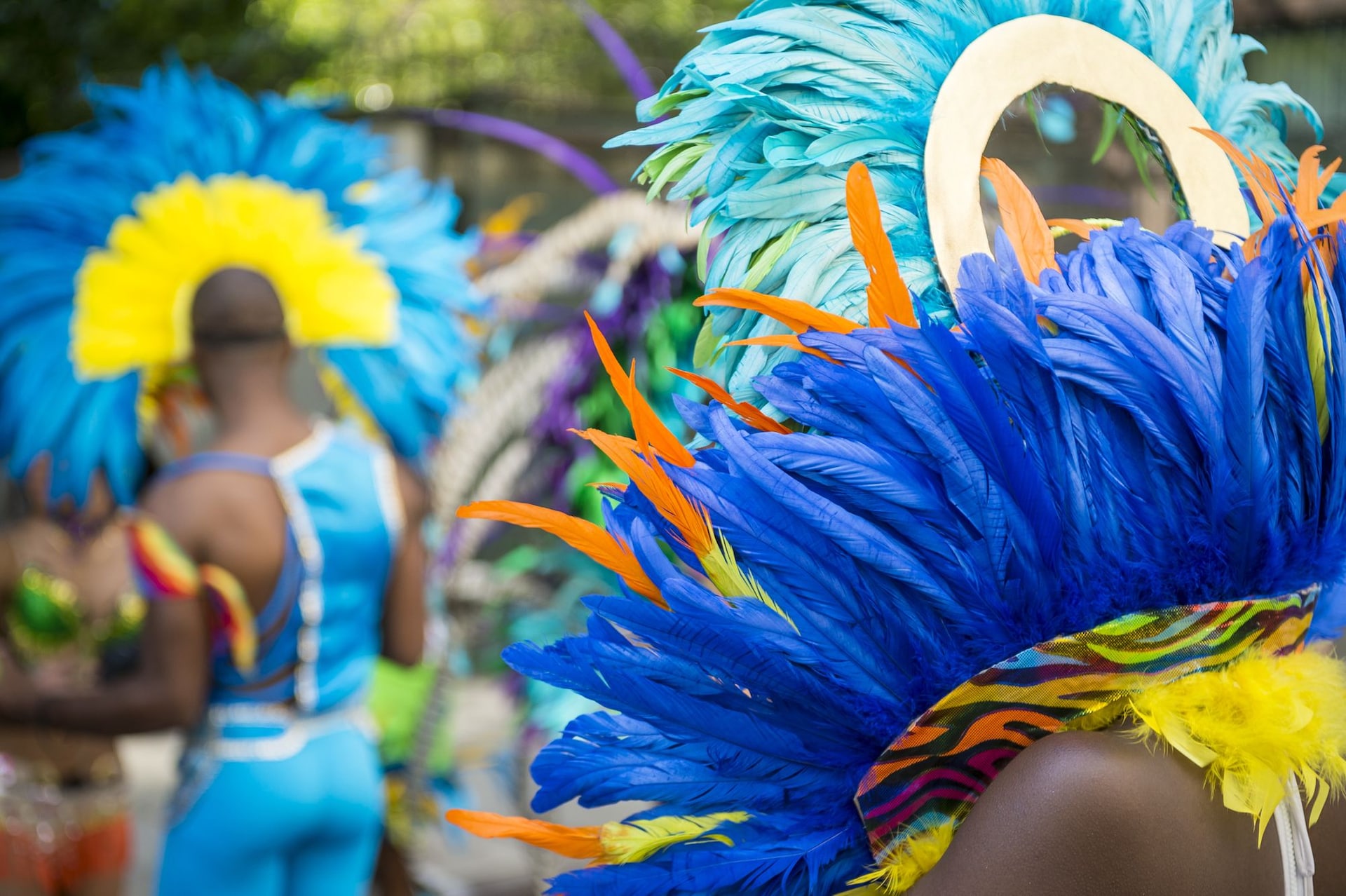
Trinidad and Tobago is the highest overall spend in the region. The costume costs are real, the fete circuit is extensive, and going to Trinidad for carnival and doing it halfway is a bit like going to a concert and leaving before the headliner. The people who spend big here do so because the experience at that level is genuinely hard to match. If you are budget-conscious, Trinidad is worth visiting but worth being honest about what you can commit to financially before you book.
lazyllama/www.shutterstock.com.
Barbados sits at a similar range but spreads the cost across a longer season. Because Crop Over runs for several weeks, there is more flexibility to pick and choose what you attend rather than feeling like you have to be everywhere at once. The all-inclusive fetes are well-produced and the crowd is good. You can get good value for the spend if you use the time well.
Saint Lucia tends to cost less overall than both, and for a first-timer or a traveler who wants carnival without the full financial commitment, it punches well above its price point. Mid-to-higher spend here still gets you a full, satisfying experience without the pressure of keeping up with Trinidad's pace or price.
Budget vs Big Spend

For anyone watching their budget, the smaller island carnivals are not a compromise. Grenada and Saint Vincent both deliver full carnival experiences with real history, good music, and community energy that just pulls you in. The scale is smaller and the costs across costumes, fetes, and accommodation are noticeably more accessible. Saint Lucia also has community-level events running alongside the main carnival calendar that can be a great way into the season at a quieter, lower-cost pace.
At the higher end, Trinidad sets the ceiling and Barbados is not far behind if you stay for the full season. Neither requires you to go all in, but both reward it when you do.
Sample Cost Ranges
These are ballpark numbers to help set expectations. Actual costs shift depending on destination, timing, and the choices you make.
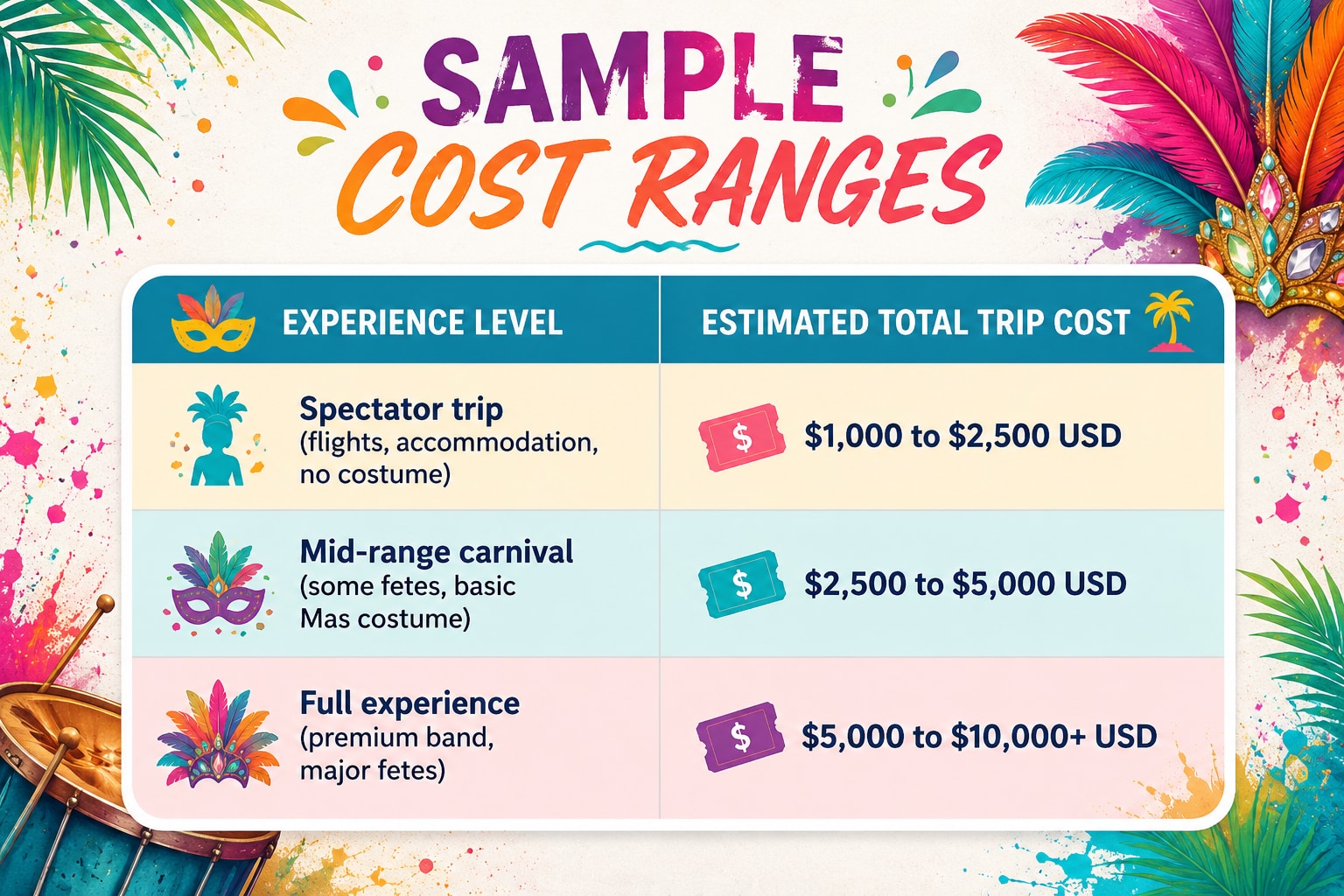
Trinidad and Tobago tends to push toward the top of each range. Saint Vincent and Curacao can bring the mid-range figure down by a fair amount.
What If You Don’t Want to Jump?
Not everyone who travels during carnival season is there for the road. And that’s completely fine. I’ve jumped carnival before, and it’s a good time. These days I’m happier with a mocktail poolside while the road does its thing. And I have never once felt like I was missing out, because the islands have more than enough going on to fill a great trip regardless.
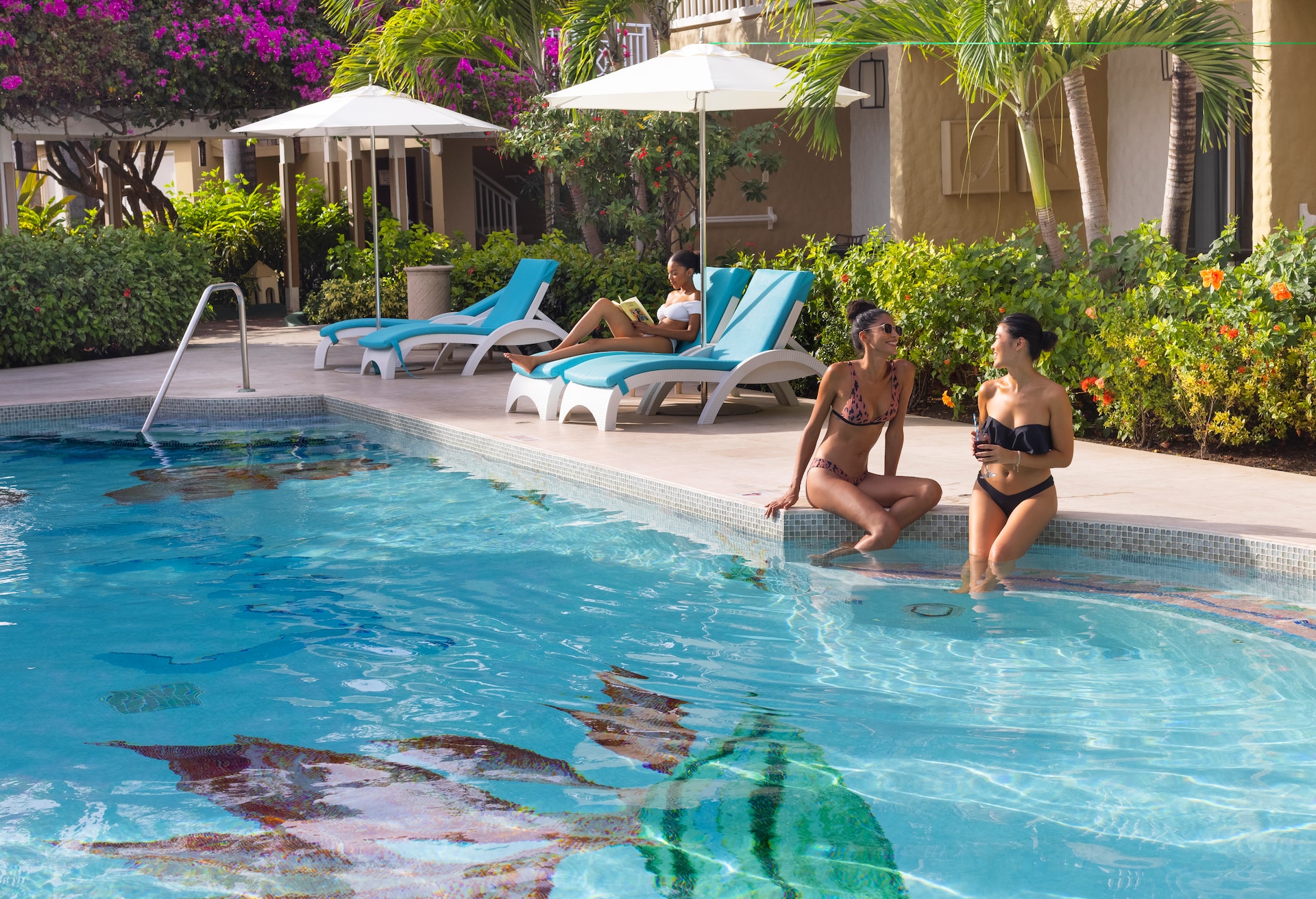
This is actually one of the situations where staying at the all-inclusive Sandals Resorts makes a lot of sense. If you’re travelling with friends who want to be on the road and you don’t, you don’t need to feel stuck or like you’re the one holding things back. Send them off, and settle into a day that looks exactly the way you want it to. All Sandals properties in the Caribbean have land and water sports, pools, beach access, day and night entertainment, and dining covered as part of the stay. There’s no pressure at all to do anything you don’t want to do.
It’s worth knowing that carnival days, particularly parade days, bring a lot of traffic and crowds to the roads. Getting around can take longer than usual, and some areas near parade routes get busy early. If you do want to explore the island on those days, timing it right and planning ahead pays off. But if you’d rather stay closer to the resort, everything you need is already there.
The point is that the islands work whether you’re fully in carnival mode or not. The two things sit alongside each other well, and the all-inclusive model means your day costs nothing extra. And when you really think about it, that makes things even more effortless.
Also read: Non-drinkers guide to all-inclusive vacations.
How to Choose the Right Carnival for You
dslr_user/www.shutterstock.com.
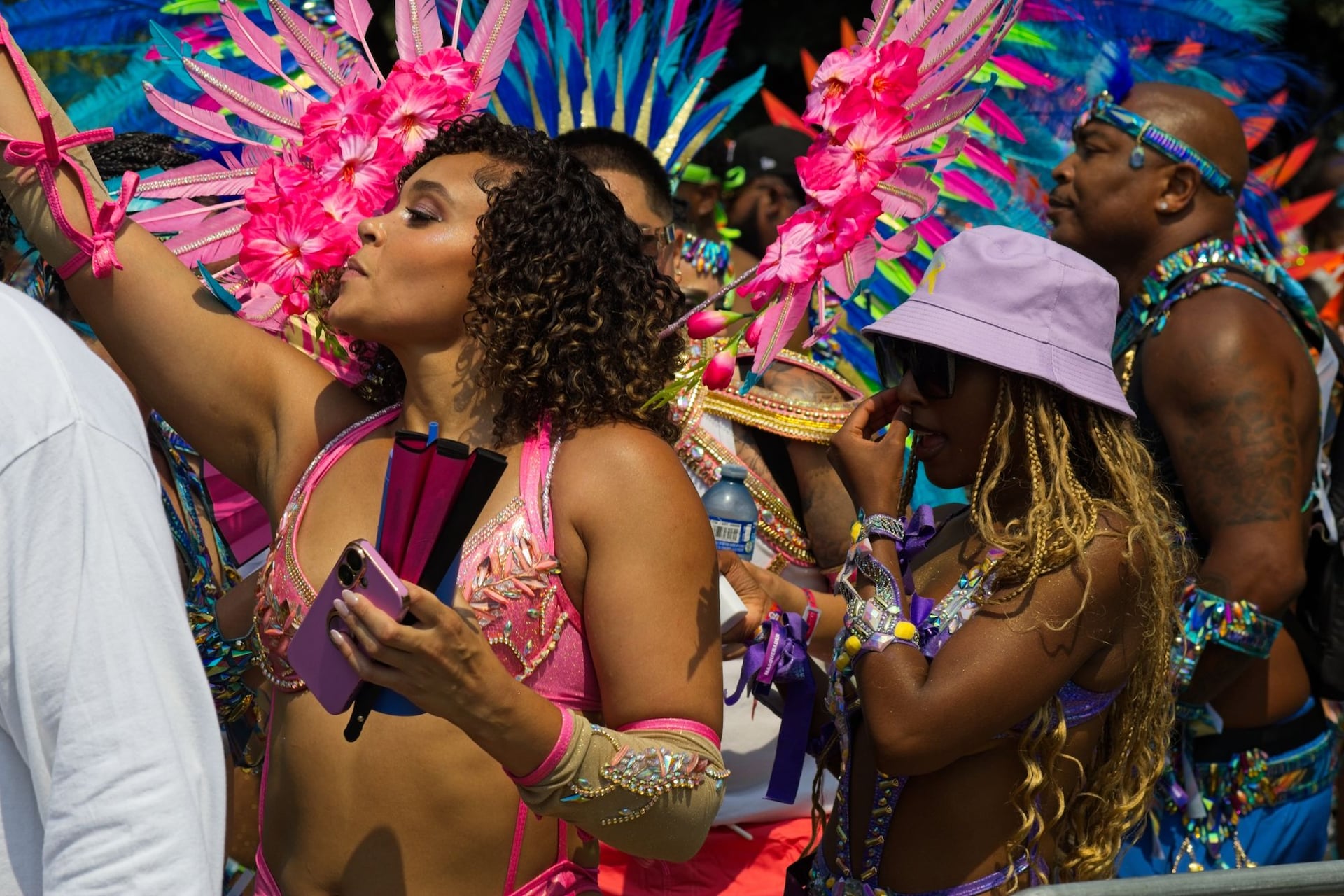
Carnival people tend to know they are carnival people. So, if you want to jump, you’d likely already know it. For those still figuring that out, there’s a lot of room to find the right entry point, whether that means one fete, watching the parade from a good spot, or simply being on the island while the energy is high.
Whem it comes to deciding, it really is about more than just budget. It’s about how you want to feel when you get there. As we wrap up, here's a quick way to narrow it down:
• Want the biggest, most full-on experience: Trinidad and Tobago
• Want a well-rounded first carnival: Saint Lucia
• Want something more cultural and less fete-heavy: Grenada or The Bahamas
• Want a long season with lots of events: Barbados
• Want to keep costs down without missing out: Saint Vincent or Curaçao
Whatever you land on, book early. Flights, accommodation, and fete tickets all get more expensive closer to the dates, especially on the busier islands. Once you’re there, let it take you where it goes. The Caribbean has a way of delivering when you stop over-planning and just show up.
For dates, lineups, and destination detail, check out our full Caribbean carnival calendar.
Read More Travel Guides

Saint Lucia vs Saint Vincent: The Beach Bum's Guide To Decide Where To Vacation
Saint Lucia and Saint Vincent sit a short hop apart, yet their beaches feel worlds apart. From volcanic black sand to white-sand Grenadines, calm swims to coral reefs, here's how to pick your island, or do both.…
READ MORE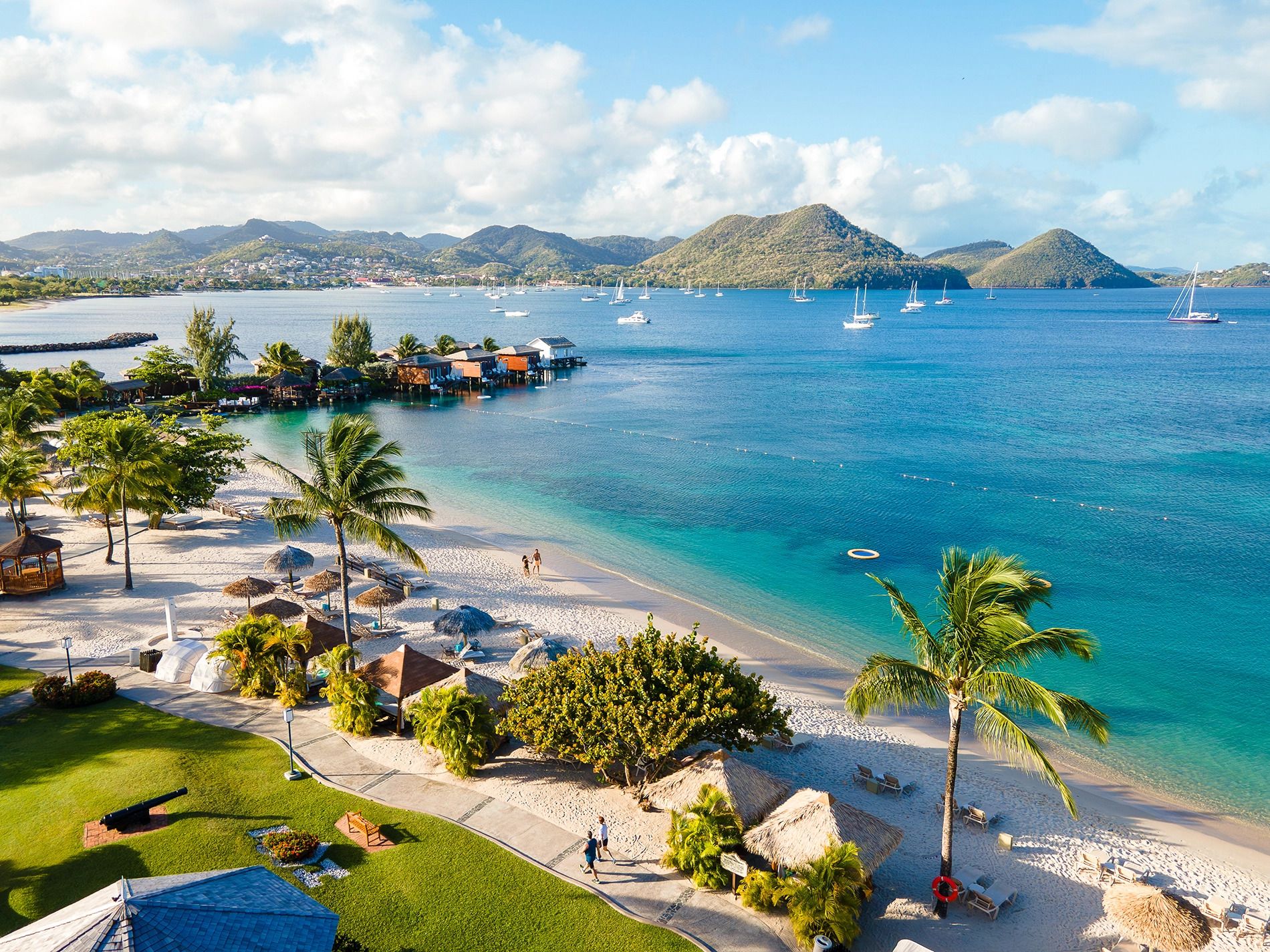
What Does All-Inclusive Mean? Answering All Your Questions.
An all-inclusive vacation is a dream for many, and it’s easy to see why. It’s not just a hassle-free way to travel; it’s a chance to have everything you need in one place, whether you’re up for exploring or just want to stay put a…
READ MORE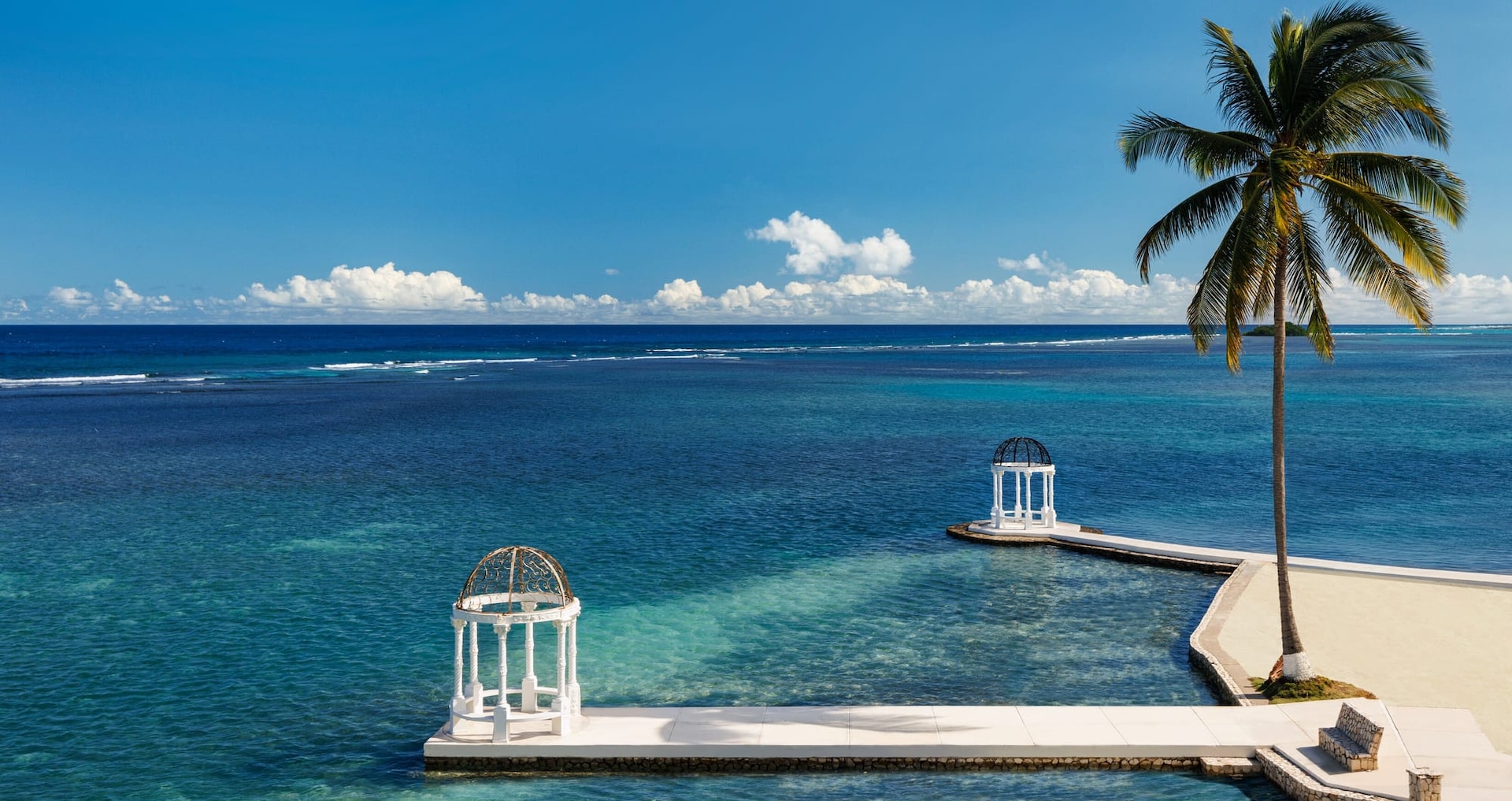
The Honeymooner’s Guide To Sandals’ Most Romantic Resorts In Jamaica
There’s a particular kind of quiet that settles over you the moment you arrive in Jamaica. Not silence exactly, just a slowing down. The air is warm, the scenery pulls your attention every few seconds, and without much effort, the…
READ MORE

Read More Travel Guides
Saint Lucia vs Saint Vincent: The Beach Bum's Guide To Decide Where To Vacation
Saint Lucia and Saint Vincent sit a short hop apart, yet their beaches feel worlds apart. From volcanic black sand to white-sand Grenadines, calm swims to coral reefs, here's how to pick your island, or do both.…
READ MOREWhat Does All-Inclusive Mean? Answering All Your Questions.
An all-inclusive vacation is a dream for many, and it’s easy to see why. It’s not just a hassle-free way to travel; it’s a chance to have everything you need in one place, whether you’re up for exploring or just want to stay put a…
READ MOREThe Honeymooner’s Guide To Sandals’ Most Romantic Resorts In Jamaica
There’s a particular kind of quiet that settles over you the moment you arrive in Jamaica. Not silence exactly, just a slowing down. The air is warm, the scenery pulls your attention every few seconds, and without much effort, the…
READ MORE