Scuba Diving In Curaçao: Dive Right In For An Unforgettable Adventure
Cover photo credit: J.S. Lamy/Shutterstock.com
Curaçao is home to a wide range of dive sites with frequent sightings that surprise and delight, making it one of the top spots for diving in the Caribbean. This relaxed island in the southern Caribbean Sea is part of the ABC chain, which includes Aruba and Bonaire. It’s known for calm, clear waters that make it easy to slip into snorkel gear or scuba tanks and take your time exploring. Whether you’re easing into a shore dive or heading out by boat to go a little deeper, Curaçao offers a diving experience that’s as easygoing and rewarding as the island itself.
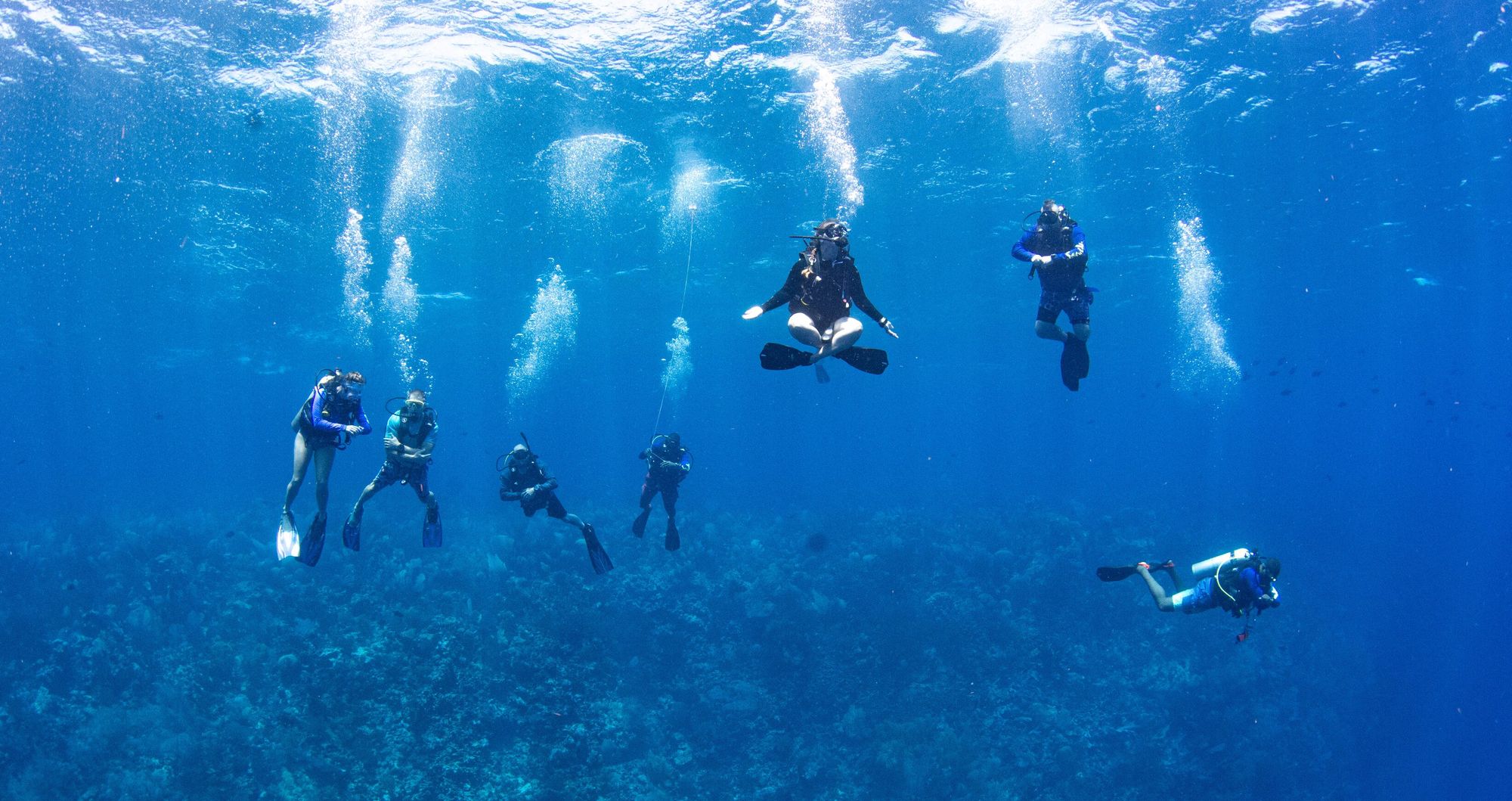
Before you land, take a look at some of the island’s most loved dive sites. You might find yourself gliding along a drop-off, exploring a sunken wreck, or slipping in for a laid-back shore dive. Whatever your style, there’s a spot here with your name on it.
Good to know: Even if you plan to visit mostly for diving, there are lots of other things Curaçao is known for. You can go from colorful dive sites to quiet beaches, snack on local bites, and simply live fully in the moment. Curaçao keeps the good vibes going well beyond the water.
TL;DR
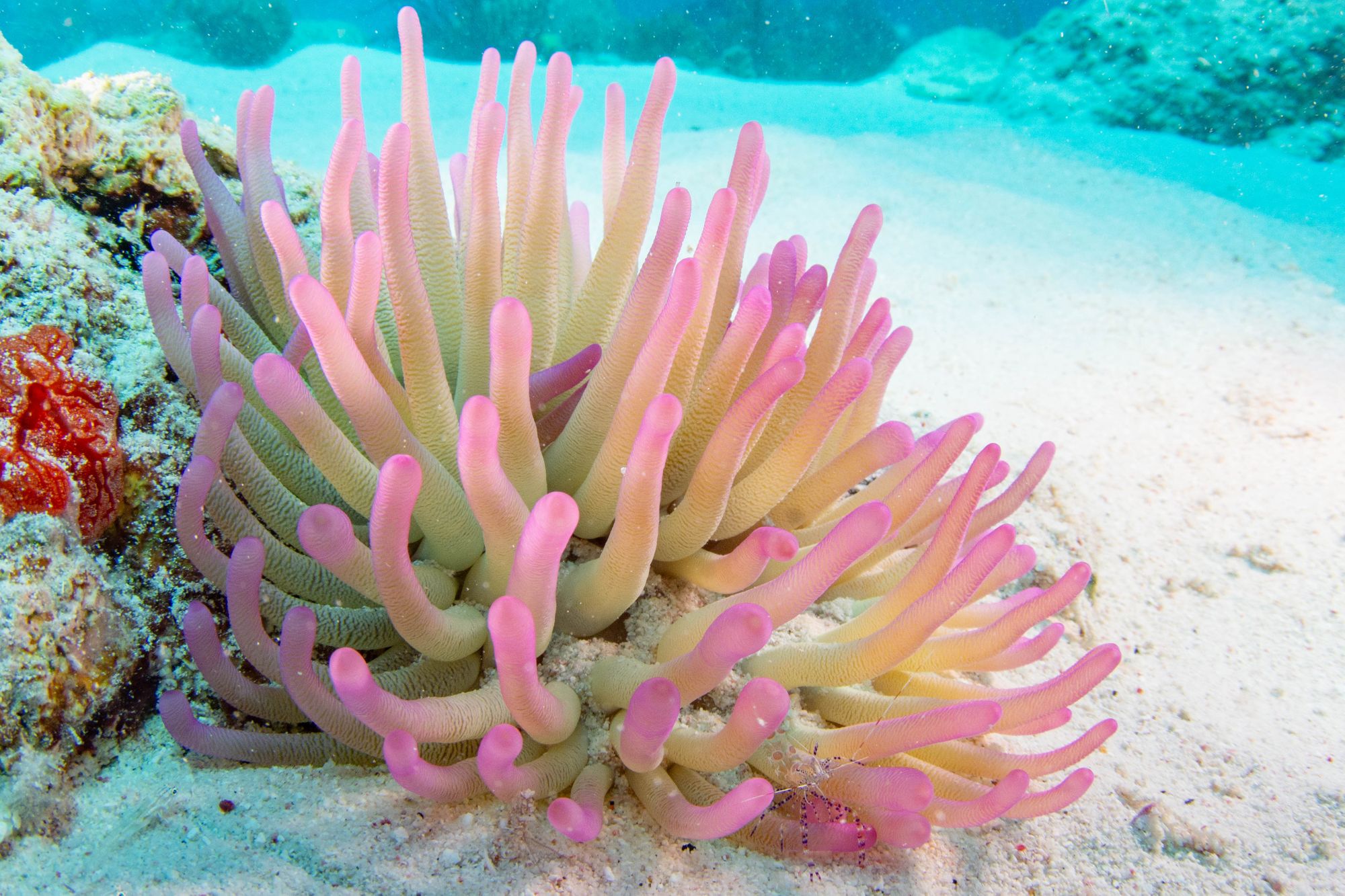
What are the best dive sites in Curaçao and when should I go?
Curaçao offers clear, calm waters and diverse dive sites ranging from mellow shore dives to deeper wrecks and drop-offs. Top spots include Watamula, Alice in Wonderland (Playa Kalki), and others that suit beginners and experienced divers alike. Water stays warm year‑round (about 85°F / 29°C in dry season and around 79°F / 26°C the rest of the year), and visibility is usually excellent. Beyond diving, the island has plenty of beaches, local food, culture, and tours to enjoy.
Insider Tip: Keep an eye out for Sandals Dive Week activities held in Curaçao and other Sandals Resorts destinations. Dive enthusiasts from all over the world participate in these events.
The 5 Best Dive Sites in Curaçao
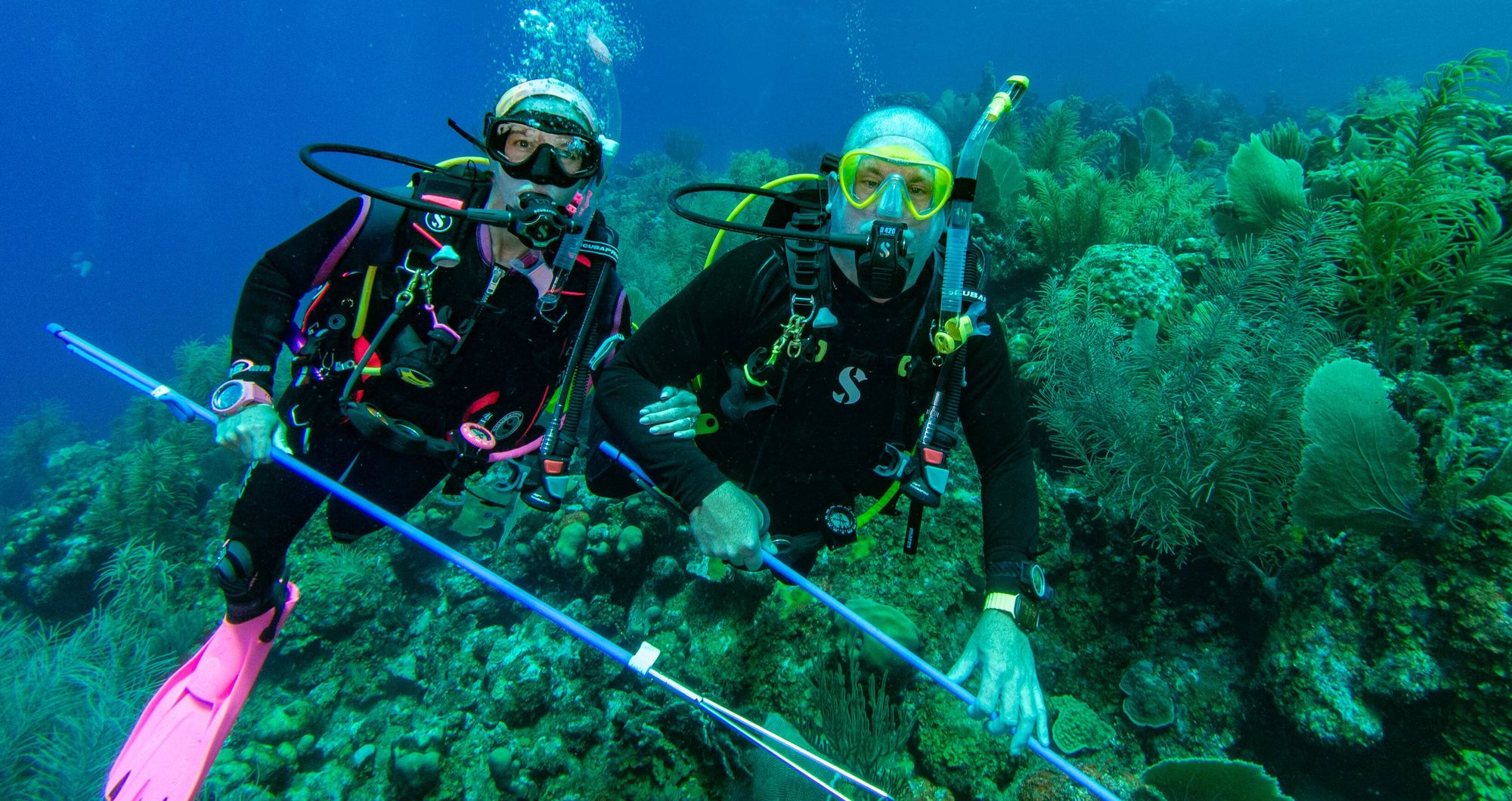
First things first when planning a Curaçao dive trip: it helps to get familiar with the island’s top dive spots before you arrive. This Dutch Caribbean island is full of great places to explore, from easy shore dives to boat-access sites with a little more depth. To get you started, we’ve spotlighted five of the island’s most popular dive sites and what you can expect to find beneath the surface.
1. Watamula
Best for intermediate and advanced divers
The Watamula reef is off the northern tip of Curaçao. This dive site can only be accessed by boat. The ride out is quick, and once you arrive, you’ll get to enjoy an open water drift dive. This type of dive lets you move with the ocean currents, giving you that flying feeling as you glide along the reef. You’ll be dropped in at one point and picked up at another by the dive team.
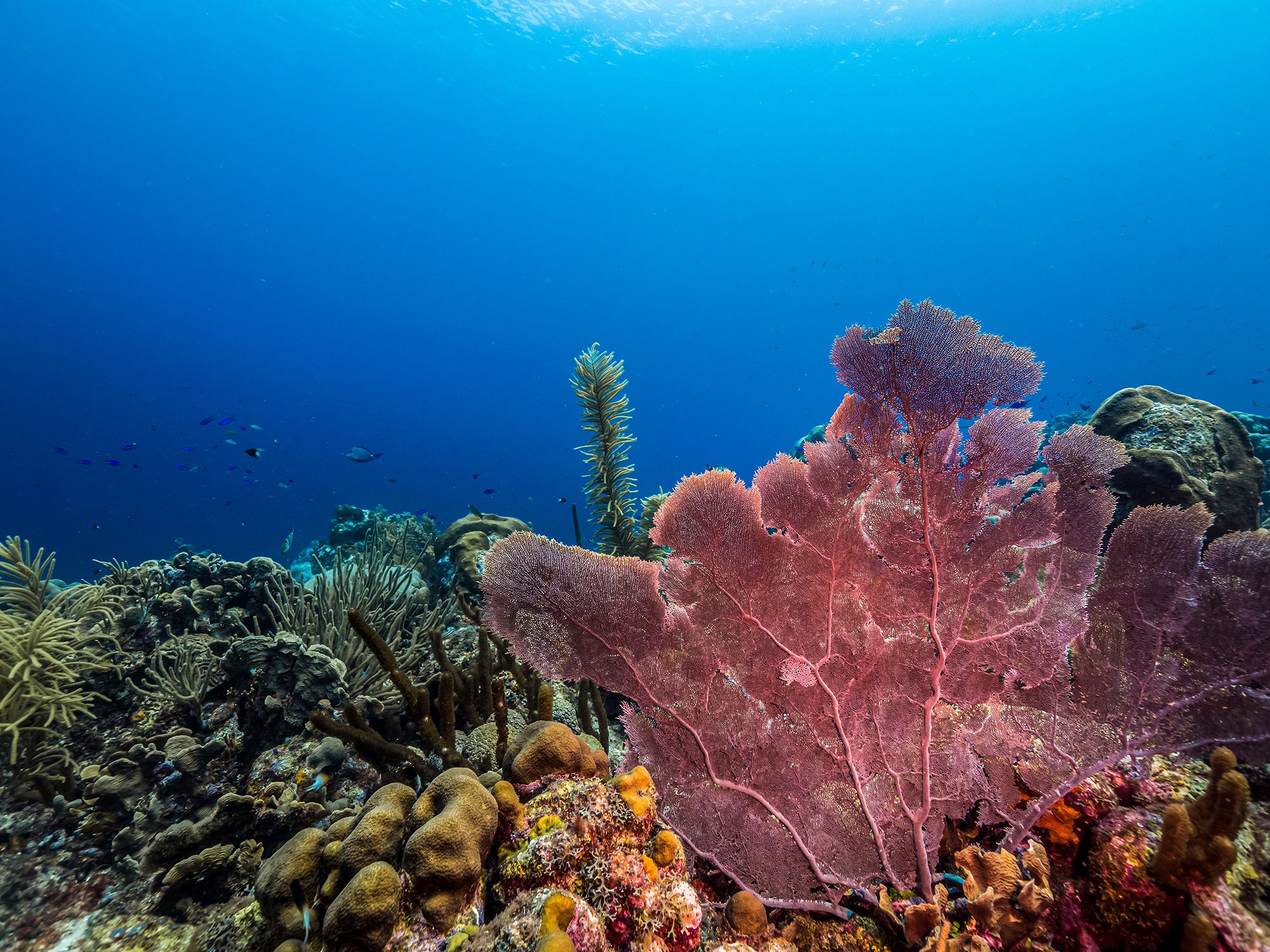
Photo credit: NaturePicsFilms/Shutterstock.com
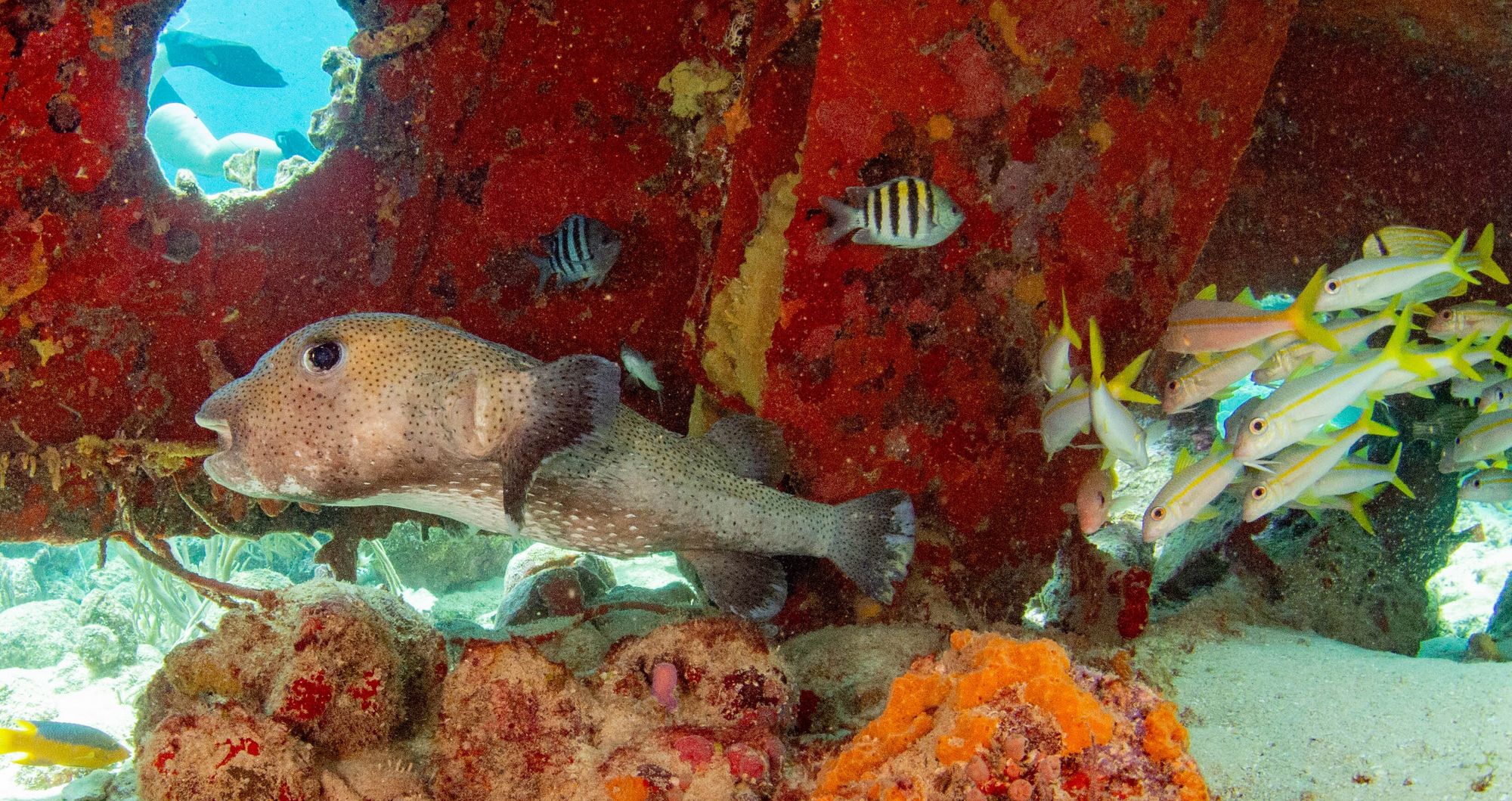
Watamula is a great choice if you’re looking to see the best of what diving in Curaçao has to offer. Sightings at this dive site include a wide variety of diverse and impressive hard coral formations, along with soft coral species and a lively mix of marine life. Keep an eye out for parrotfish, triggerfish, angelfish, porcupine fish, chubbs, crabs, shrimp, sea turtles, stingrays, moray eels, and more. Divers who get really lucky might even catch a glimpse of a whale shark passing through the area.
2. Alice In Wonderland (Playa Kalki)
Best for divers of all skill levels
The Alice in Wonderland dive site in Curaçao is also known as Playa Kalki. This is a popular shore dive easily accessible from the beach. This dive spot is loved by snorkelers and scuba divers alike.
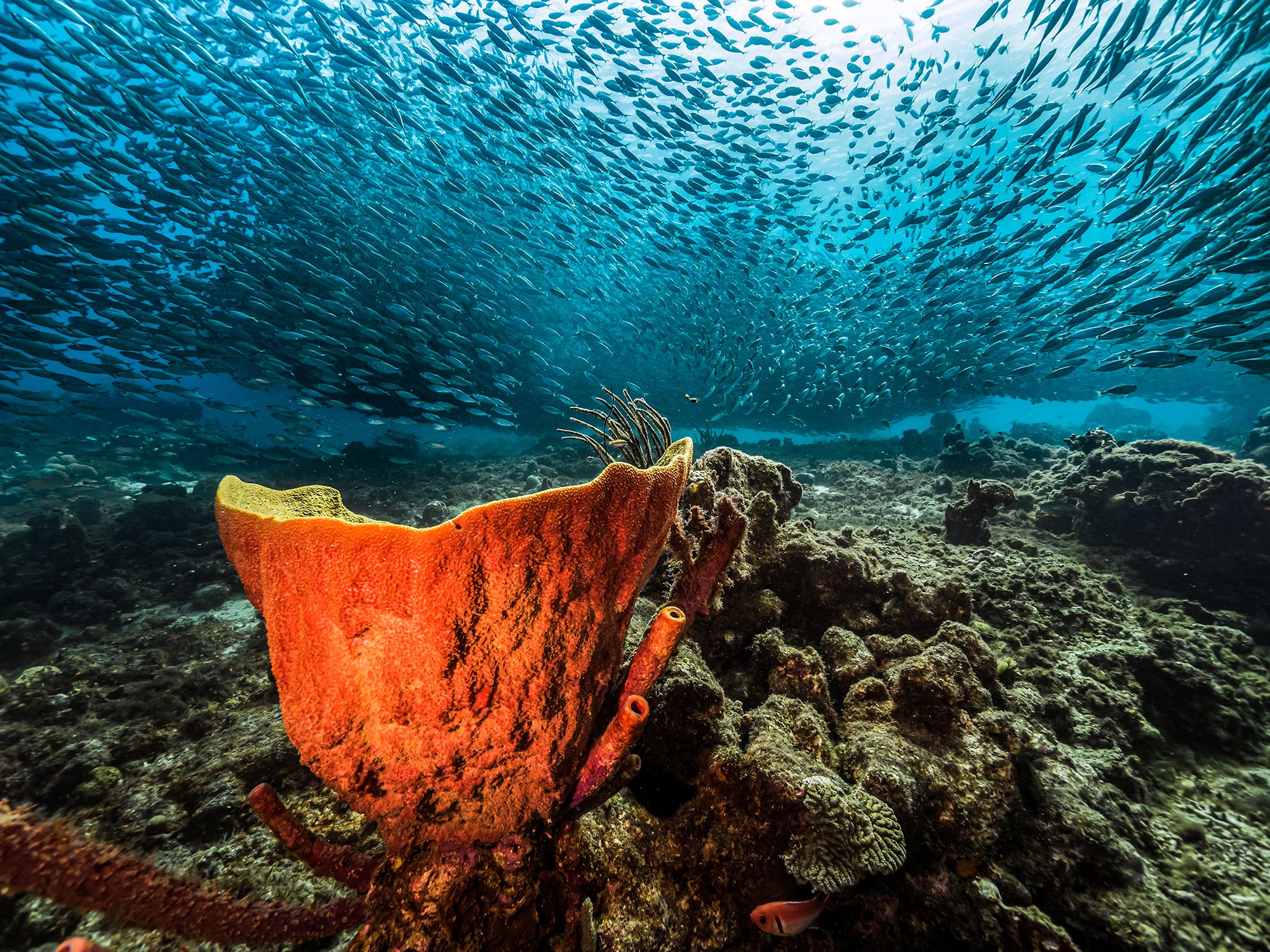
Photo credit: NaturePicsFilms/Shutterstock.com
The Alice in Wonderland dive site is easy to find. You can simply hold onto the large rope connected to the dock and follow it straight out to the reef. Spanning about 30 feet, this rope adds a fun touch for beginners and makes entry a breeze. The reef at Playa Kalki drops from 30 feet to 100 feet, offering plenty to explore. Marine life commonly spotted here includes trumpetfish, pufferfish, frogfish, moray eels, tangs, parrotfish, stingrays, and more.
3. Mushroom Forest
Best for intermediate divers
The Mushroom Forest gets its name from the large, hard coral heads that can be found there. The coral heads have a mushroom-like appearance and make this dive site in Curaçao really stand out from others.
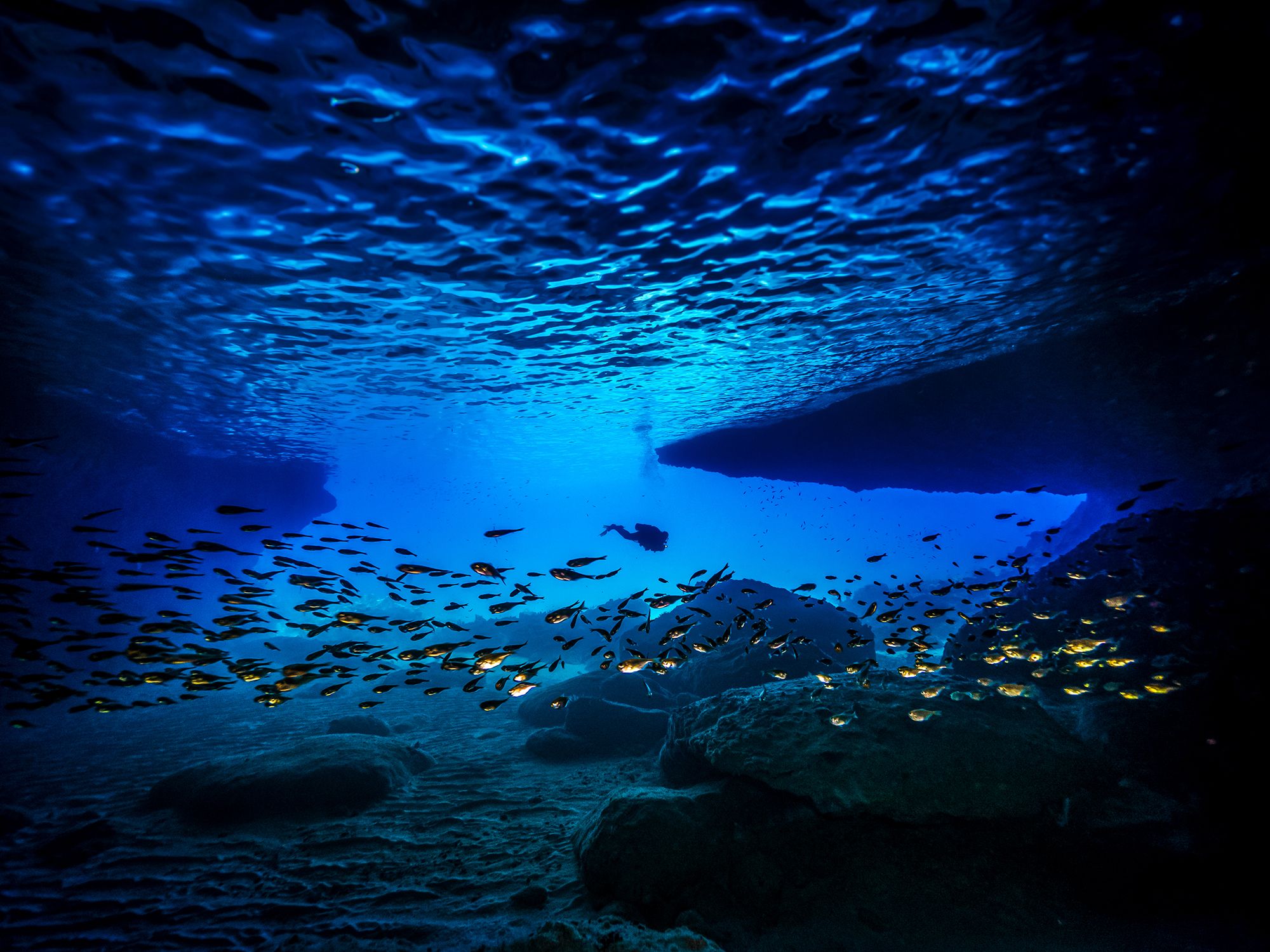
Photo credit: NaturePicsFilms/Shutterstock.com
You’ll need to travel by boat if you plan on doing the Mushroom Forest dive while in Curaçao. To get there, you’ll simply have to take a short boat ride off the west coast, or a longer one off the east coast if you’ll be staying on that side of the island. The Mushroom Forest is protected by large surrounding cliffs, so you don’t usually have to worry about strong currents. While diving here, you can expect to see marine life including snapper, lobster, groupers, porcupine fish, moray eels, sea turtles, and more. There’s also an other-worldly cave known as ‘The Blue Room’ next to the Mushroom Forest that is also worth exploring while there.
4. The Superior Producer
Best for advanced divers
Selecting the best dive site to visit in Curaçao truly comes down to deciding what you’re hoping to see and the type of experience you’re looking to have. Divers looking for a shipwreck scuba spot will love the Superior Producer. This dive site appeals to more experienced divers as the wreck itself is about 100 ft (30m) beneath the surface.
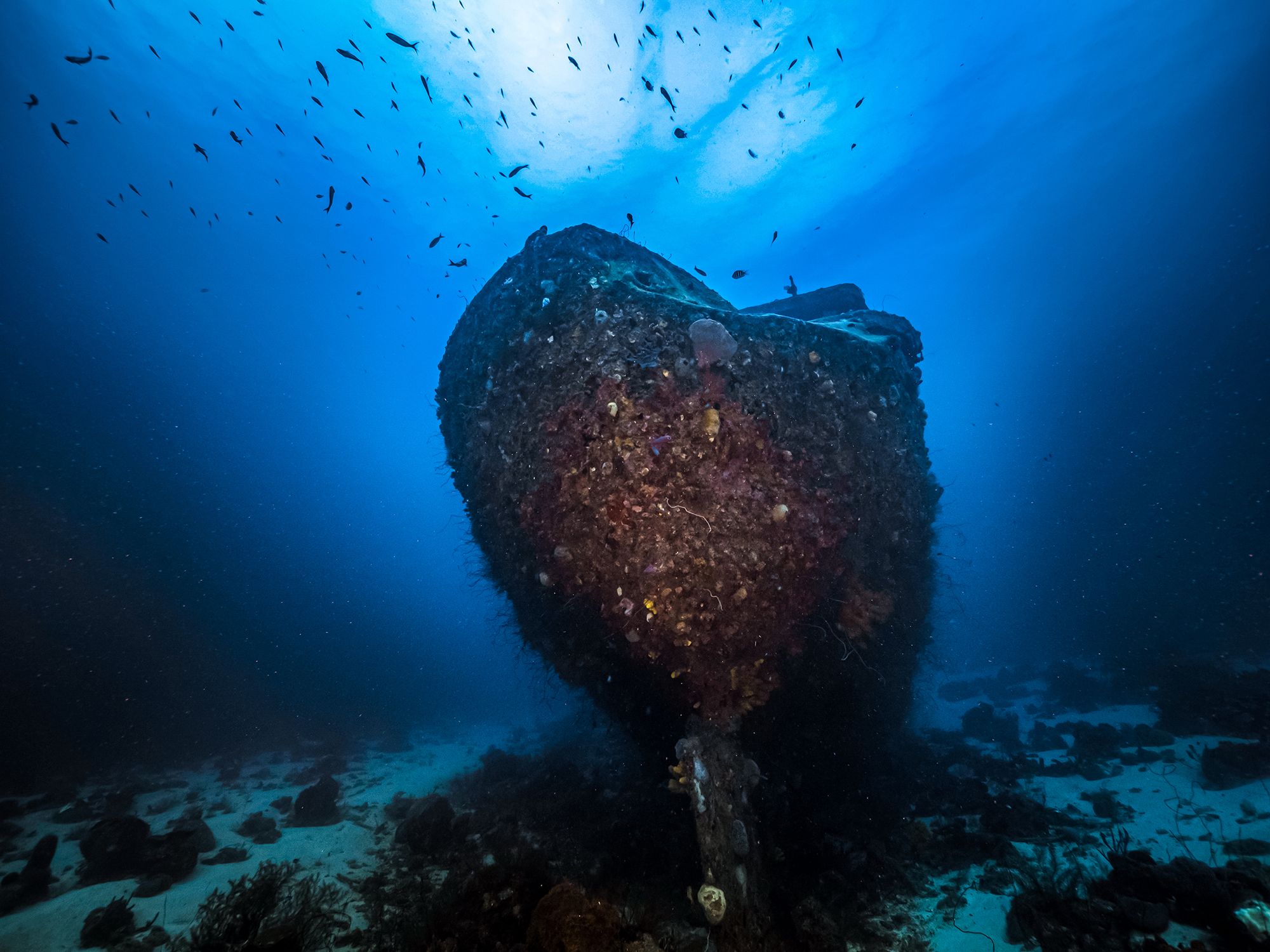
Photo credit: NaturePicsFilms/Shutterstock.com
The Superior Producer is a 400-ton, 165-foot long cargo ship that sunk in 1977 off the coast of Curaçao. The sinking of this ship was a major loss as it was filled with merchant goods, including perfume, whiskey, and clothing. The ocean has totally claimed this cargo ship, and, today, its remains are covered with the most beautiful coral. Among these artificial reefs, divers are likely to spot snapper, jacks, barracuda, tarpon, sea turtles, and more. The Superior Producer is less than 500 feet off the coast of Otrobanda, which is on the west end of Curaçao.
5. Tugboat
Best for beginners and all skill levels
Tugboat is a popular diving site in Curaçao thanks to the shipwreck found in this area. This dive site is off the coast of Tugboat Beach on the southwest coast of Curaçao.
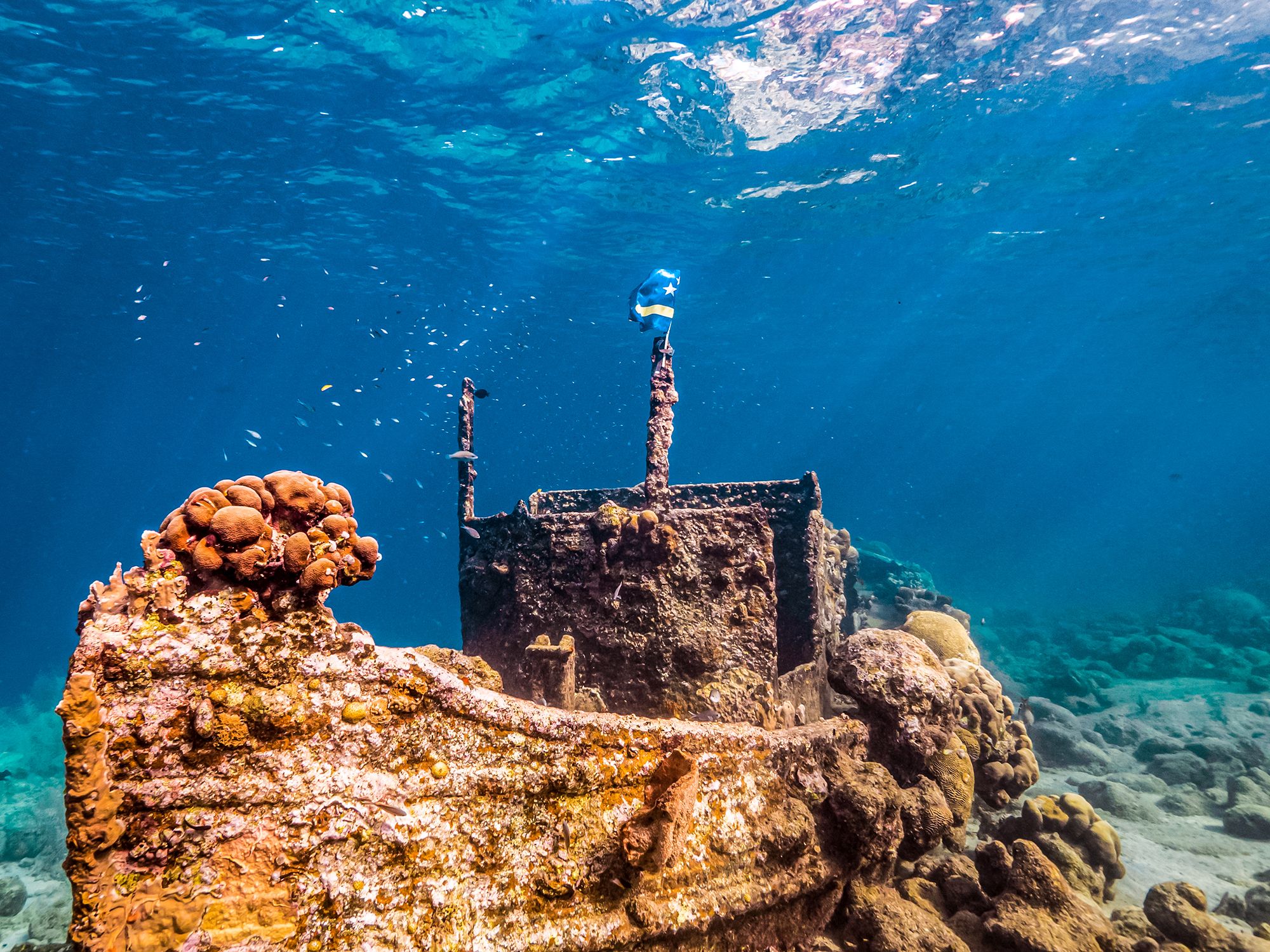
Photo credit: NaturePicsFilms/Shutterstock.com
The Tugboat site is appealing because it will allow even novice divers to get up close to the wreck. This is one of the more shallow wreck dive sites which makes it ideal for both snorkeling and beginner scuba diving. The wreck at this location was intentionally sunk and sits about 15 ft (5m) beneath the surface of the water. Tugboat is located near a pier, and some of the regular sightings here include tarpon, scorpionfish, yellowtail snapper, octopus, seahorses, parrotfish, shrimp, lobster, and sometimes nudibranch. The shipwreck at this location is a sight to see as it’s covered with tube sponges and a variety of soft coral.
The Best Time to Scuba Dive in Curaçao
The best time to dive in Curaçao is during the island’s dry season, which runs from April to November. This is generally the best time to visit Curaçao overall. While diving is good year-round, these months usually bring calmer seas, clearer skies, and better visibility, making it easier to enjoy every moment underwater.
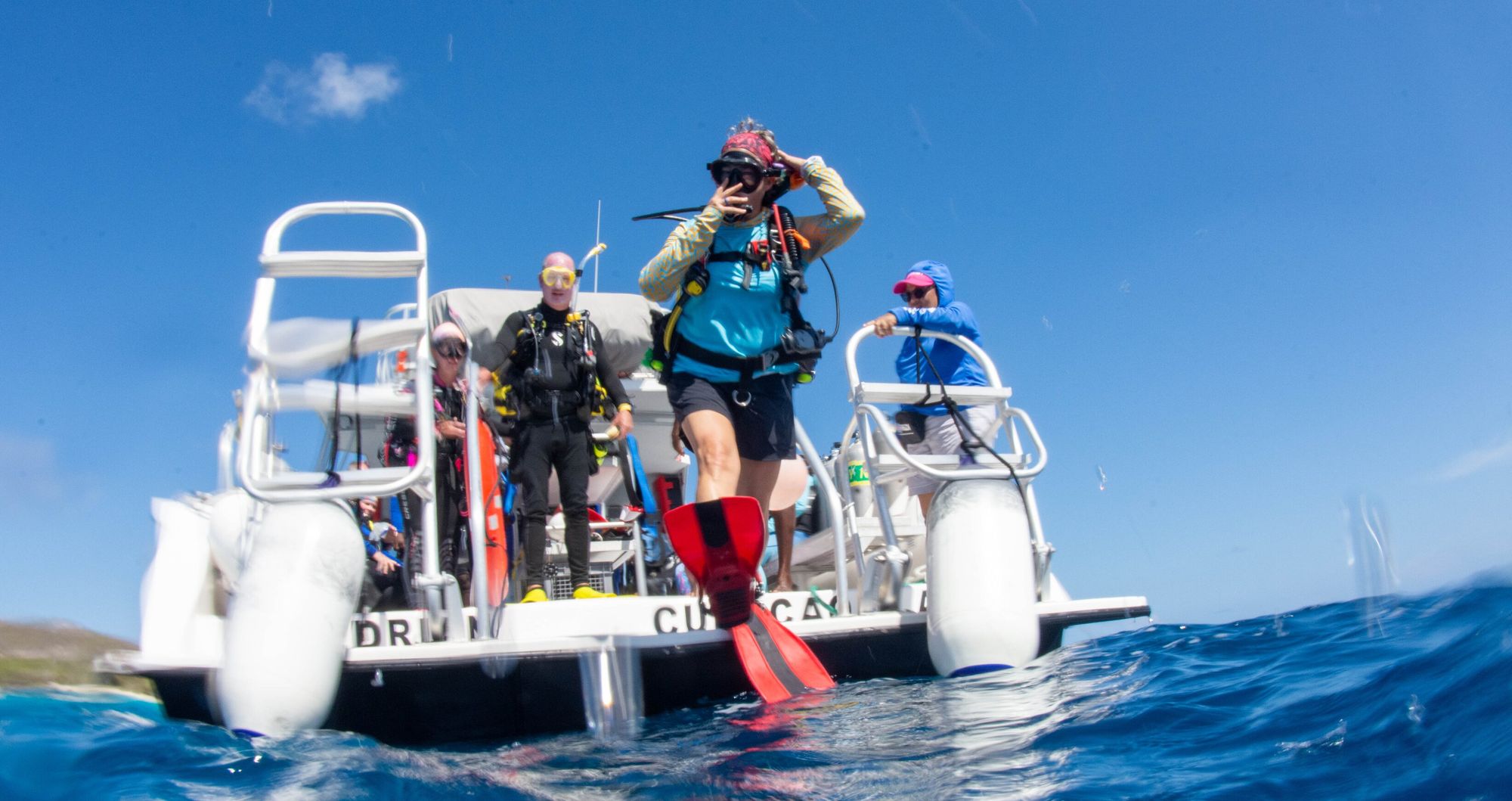
During the dry season, there’s a lower chance of rain. With less rain in the forecast, visibility underwater tends to be even better for divers. Water temperatures during the dry season are typically warmer, around 85°F (29°C), while the rest of the year sees temps closer to 79°F (26°C). No matter when you visit, Curaçao stays warm and sunny most of the time. It’s a solid pick for a dive trip any time of year.
Bonus: Other Things to Do Around Curaçao
Curaçao feels different from anywhere else in the Caribbean, with its own blend of natural beauty and Dutch-Caribbean culture. While you’re here, there are plenty of tours and local spots to explore that show off what makes this island so special. It’s no surprise more and more people are drawn to its easygoing charm. Here are a few of our favorite attractions:
Visit Willemstad’s Historic Buildings
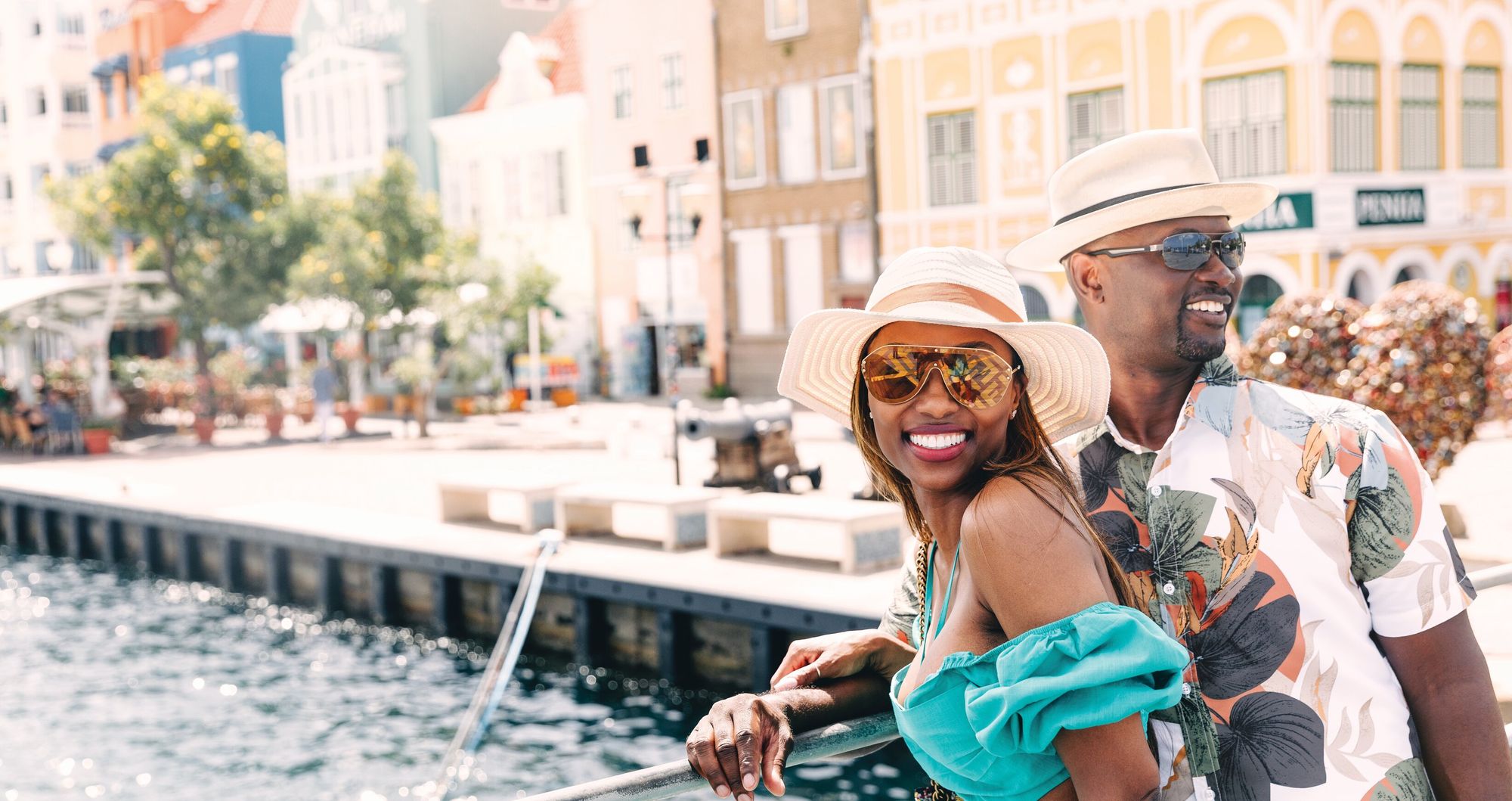
Vibrant and colorful, Willemstad is an amazing Caribbean city to stroll around in. This is the capital of Curaçao and the architecture in this area has a distinct Dutch colonial style. There are lots of historic and cultural landmarks in the city that are worth visiting, including Fortchurch, which is an exceptionally large, bright yellow colonial church that was built in 1769. The Queen Emma Pontoon Bridge is another stand-out feature of this Caribbean city; it was built in 1888 and opens regularly to accommodate passing boats. This floating bridge connects two of the four quarters of Willemstad - Punda, and Otrobanda. Both are great areas to explore and shop in while in Curaçao.
Check Out the Beach Bars on Mambo Beach
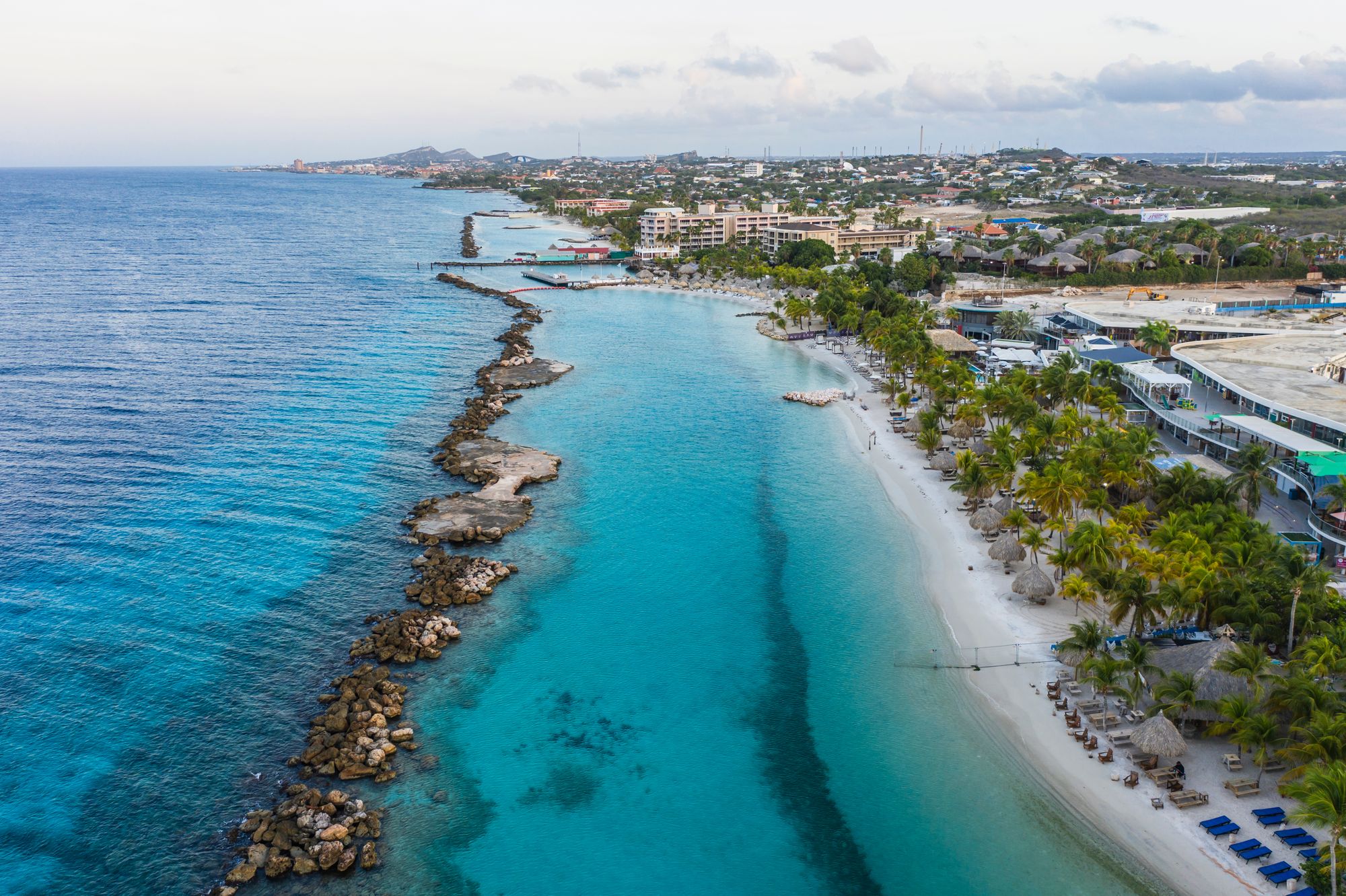
Photo credit: NaturePicsFilms/Shutterstock.com
Mambo Beach in Curaçao balances easy beach time with a social spark. This white-sand stretch on the southwestern coast pairs clear blue waters with a lively scene of beach bars and local flavor. Spend the day soaking up the sun, swimming in calm seas, or grabbing a cocktail while chatting with friendly locals. Nearby, you’ll find restaurants serving everything from sushi to island favorites. However you choose to spend your time, Mambo Beach delivers striking views, good food, feel-good music, and a welcoming scene that invites you to stay a little longer.
Hike Through Christoffel National Park
A visit to the Christoffel National Park is great for a serene and memorable day out in Curaçao. This national park is huge and consists of 4,500 acres of protected land near the northern tip of Curaçao. While at Christoffel, you can hike or mountain bike along the many trails where you might see hummingbirds, white-tailed deer, and lots of brassavola nodosa (also known as the lady of the night orchids), which are quite striking.
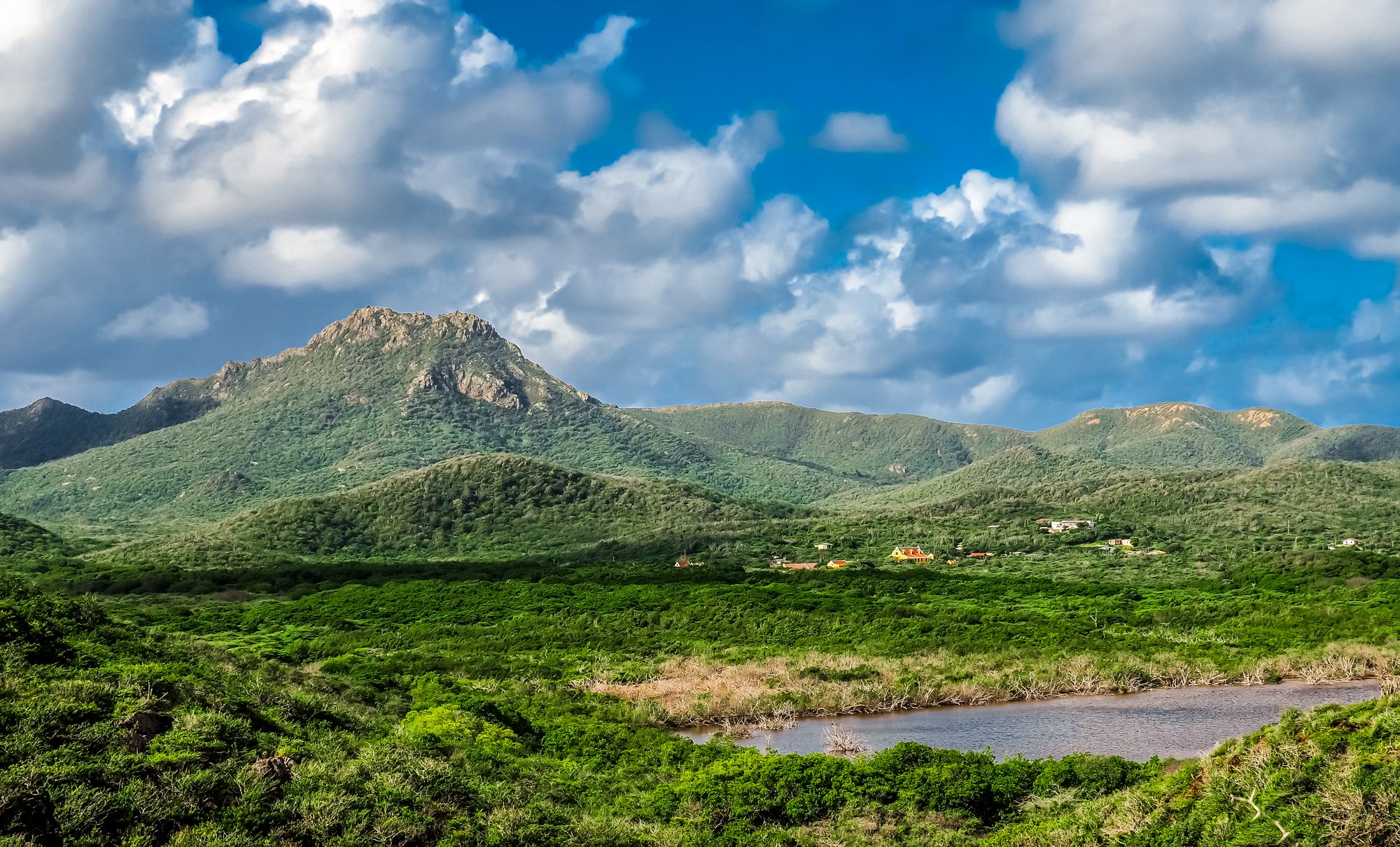
Photo credit: Gail Johnson/Shutterstock.com
Near the Christoffel National Park, you’ll find the Shete Boka National Park. This spot is loved by nesting green sea turtles, and you may spot a few of them while you’re in this area.
Take a Day Trip to Klein Curaçao
There are lots of things to see and do in Curaçao. If you want to make the best of your trip, it’s a good idea to get on at least one boat trip so you can see the island from beyond the coast. One way you can do this is by setting up a day trip to explore Klein Curaçao, which translates to Little Curaçao.
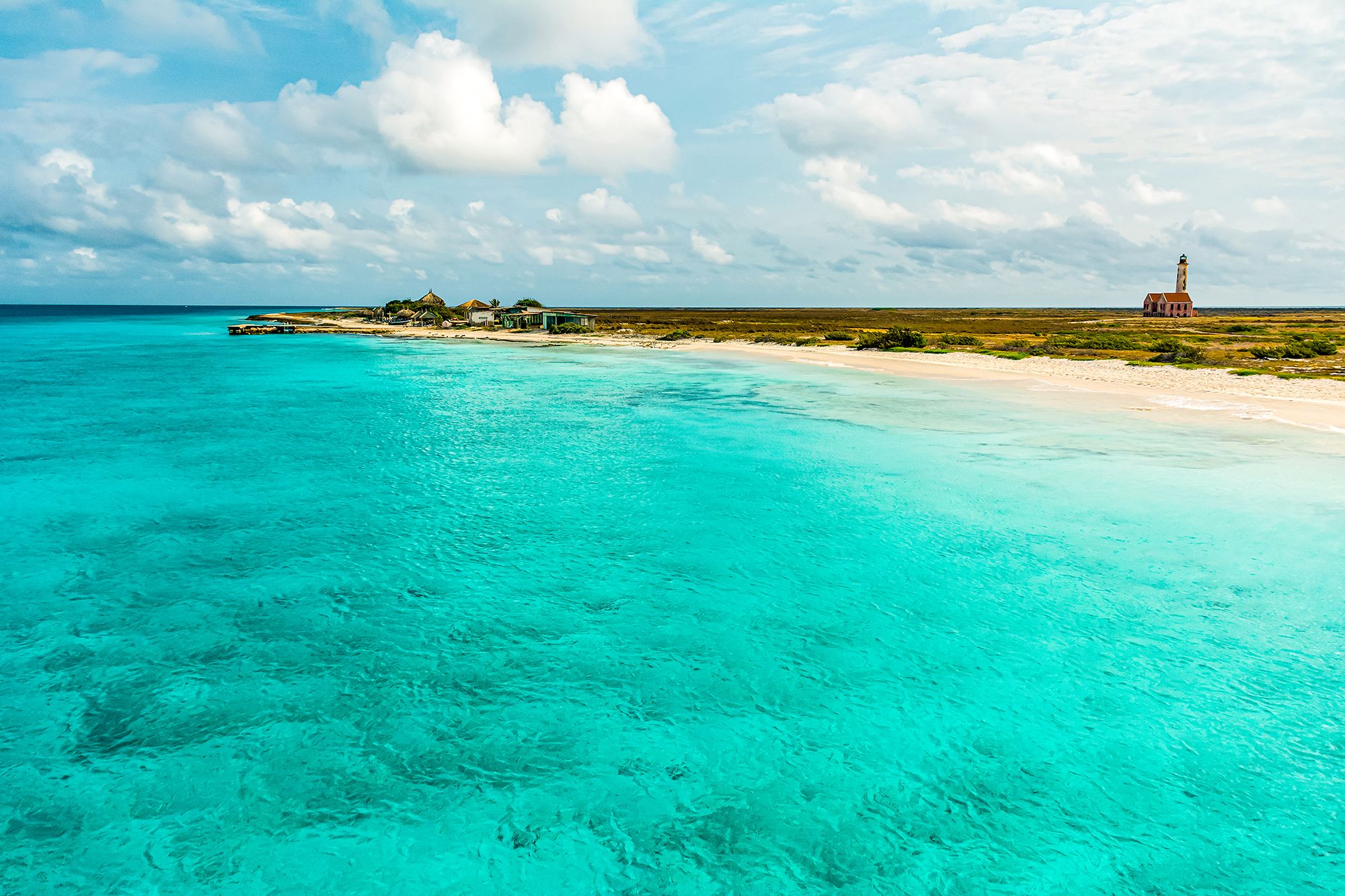
Photo credit:Raul Grilo/Shutterstock.com
Klein Curaçao is an uninhabited island just off the southern end of Curaçao. A trip to this island is just one of many fun things to do in Curaçao. It’ll take about 1 hour and 45 minutes to get to Klein Curaçao by boat, so it makes for a great all-day activity. While on Klein Curaçao, you’ll be able to explore the island, have a picnic, and spend some time on Klein Beach, which is the longest beach in Curaçao. To get to Klein Curaçao, you can either charter your own boat or schedule a tour, but either way, this experience will be one of the highlights of your vacation.
Insider tip: Want to spend lots of time enjoying the water while in Curaçao? Resorts like Sandals have unlimited water sports that you can try throughout your trip. Sandals watersports include motorized and non-motorized sports. Snorkeling and scuba diving are also on the list of inclusions!
Discover the Underwater Secrets of Curaçao!
Anything worth doing is worth doing well, and the same goes for vacations. As fabulous as it will be to walk the colorful streets of Curaçao, you won’t feel like you’ve truly explored the island until you see what lies beneath its depths. Come face to face with vibrant marine life and experience the beauty of the natural and man-made reefs surrounding this fabulous little island. There’s so much to experience!
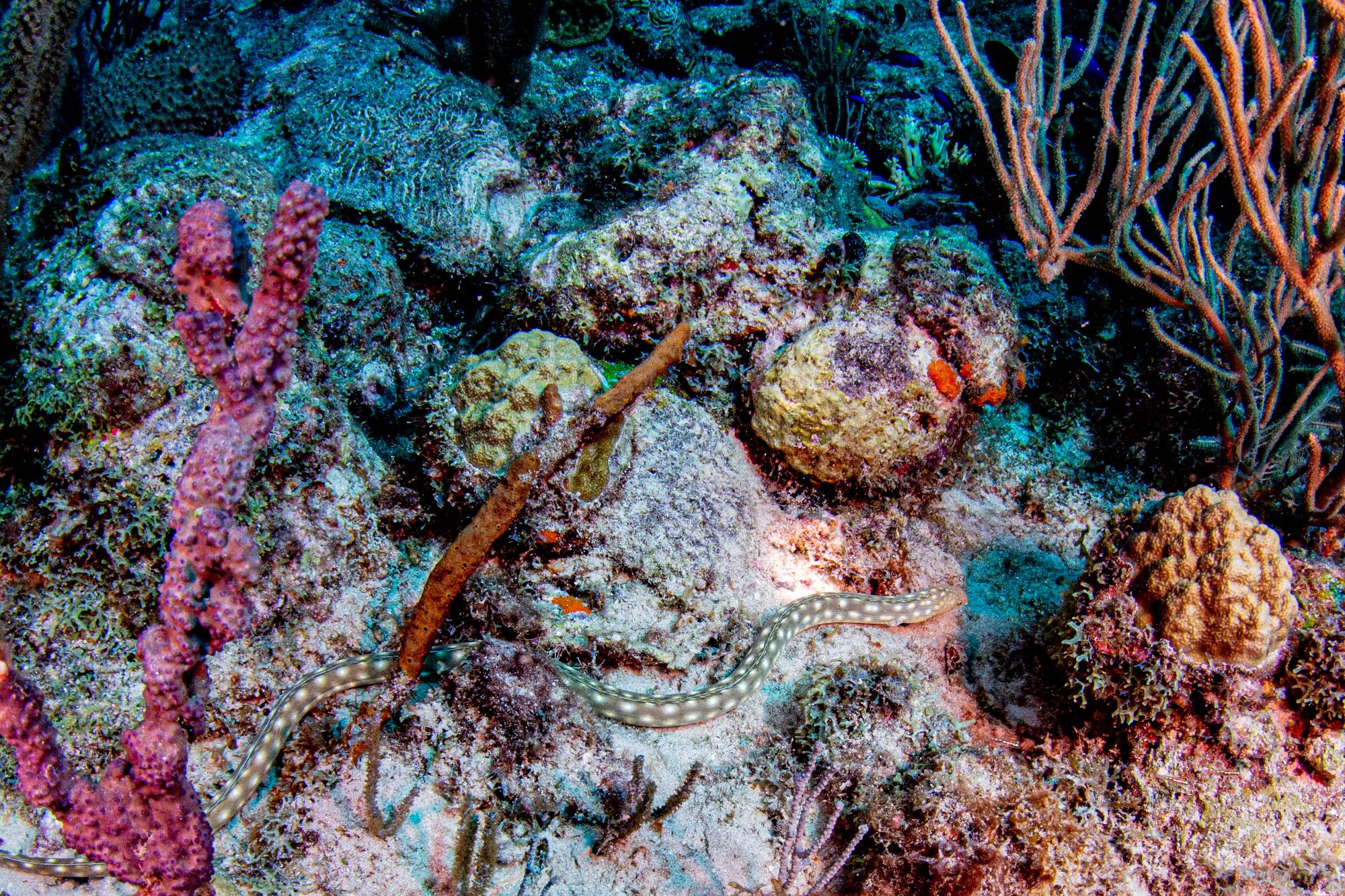
While diving probably is at the forefront of your mind (it is one of the top ten reasons to visit Curaçao after all!), selecting accommodation for your Curaçao vacation is very important. There are some impressive all-inclusive resorts in Curaçao, such as Sandals Royal Curaçao, that can be the perfect place to stay on your dive vacation. In addition to inclusions like gourmet dining, premium drinks, day and night entertainment, and more, Sandals includes daily diving (up to 2 tanks per day) and professional equipment for free. The Sandals dive team will help you choose the best spots according to your skill level, and you’ll even be able to get PADI® certified at the resort if you aren’t already.
A dive-included, oceanview vacation with luxury accommodation? A sure vacation win!
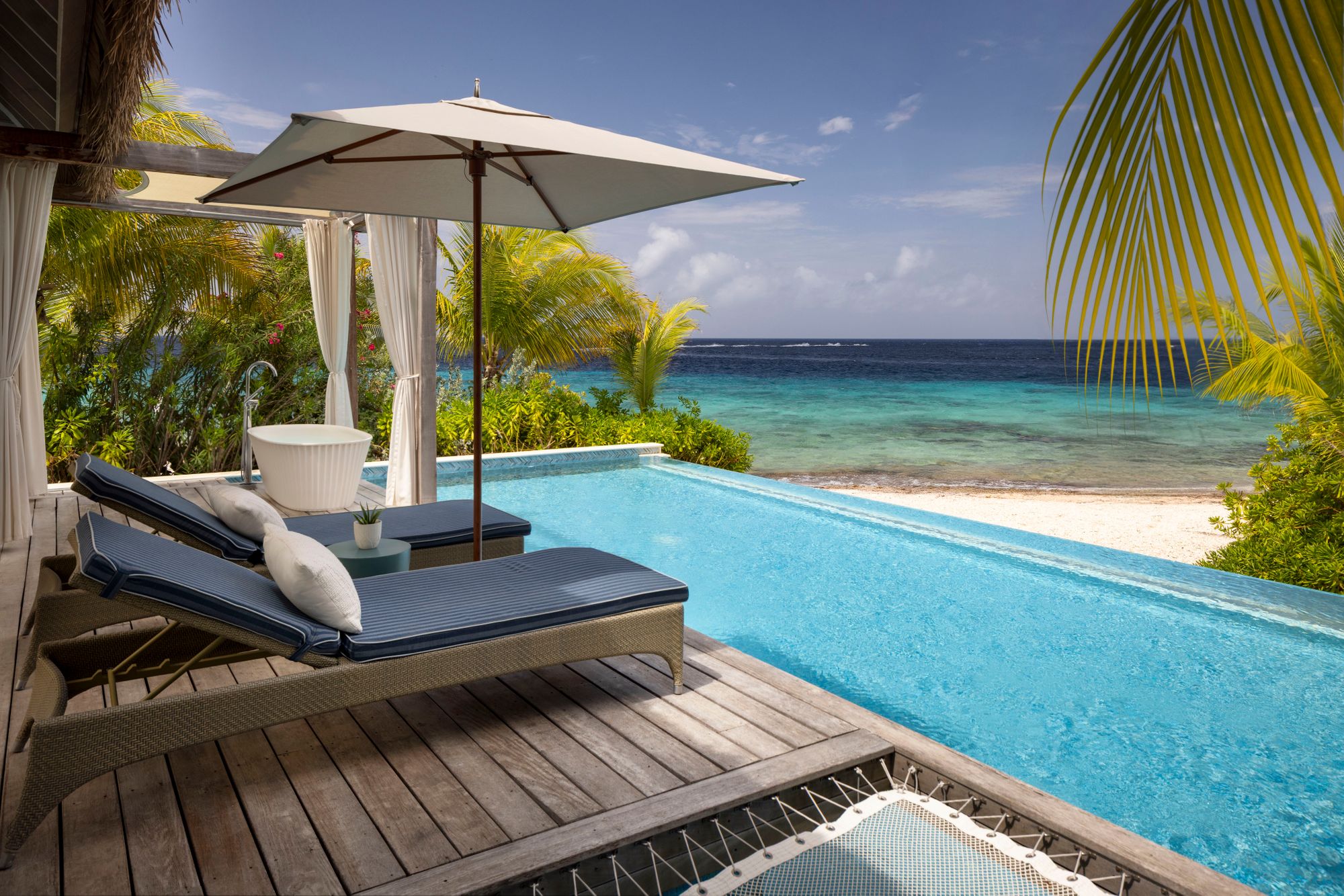
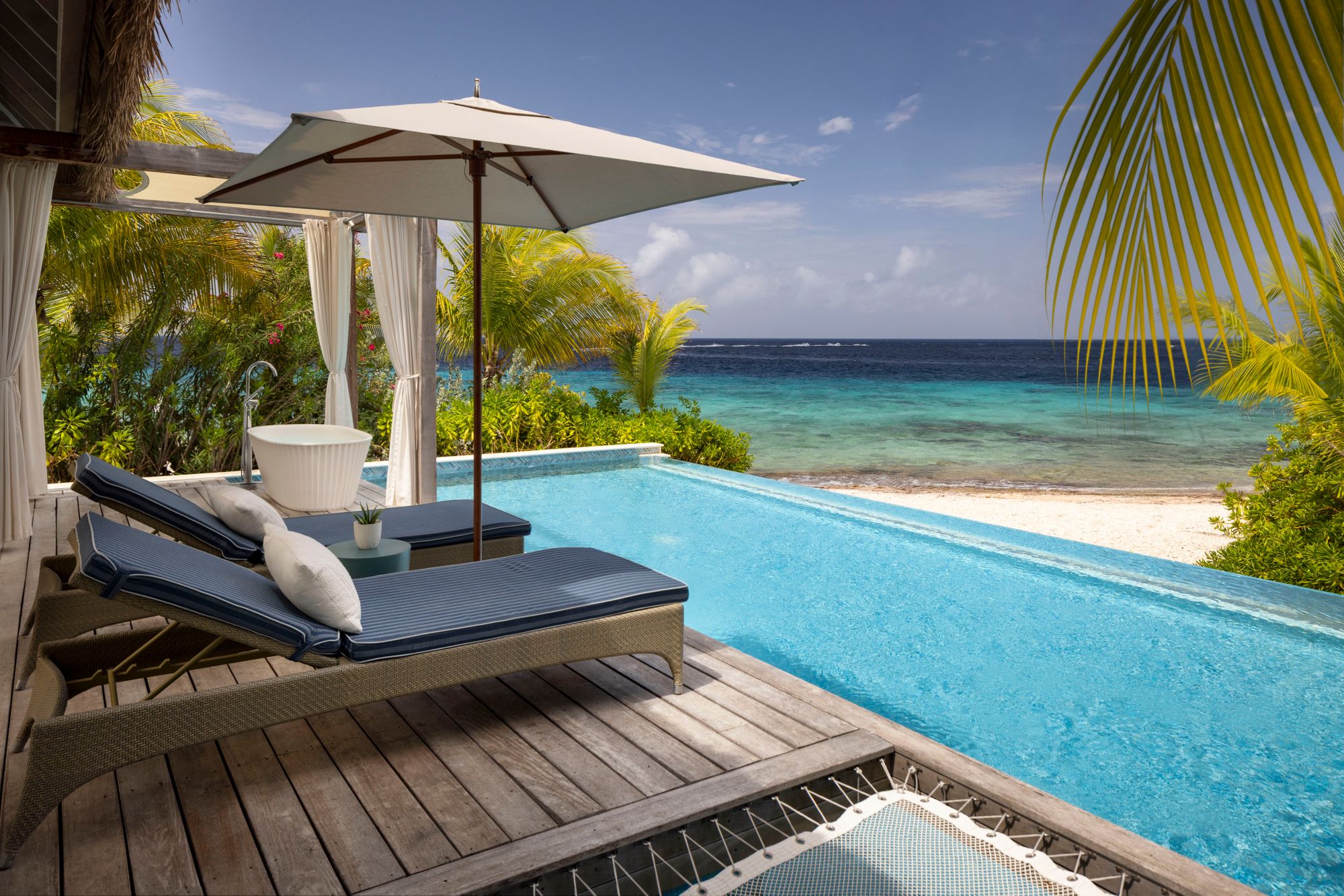
Picture: These beachside views are yours to indulge in at the all-inclusive Sandals Royal Curacao.
FAQs - Curaçao Diving
1. What makes Curaçao a good place for diving?
Curaçao has calm, clear water and a wide mix of dive sites. Many are easy to reach, with healthy reefs and plenty of marine life.
2. When is the best time to dive in Curaçao?
Curaçao is dive‑friendly year‑round. The dry season usually brings better visibility and warmer water (around 85°F / 29°C), while the rest of the year is still warm (about 79°F / 26°C) with good conditions most of the time.
3. Do you need a boat to dive in Curaçao?
Not always. Many of Curaçao’s best dive sites, like Alice in Wonderland at Playa Kalki, offer easy shore entry. Other spots, like Watamula reef, are best accessed by boat.
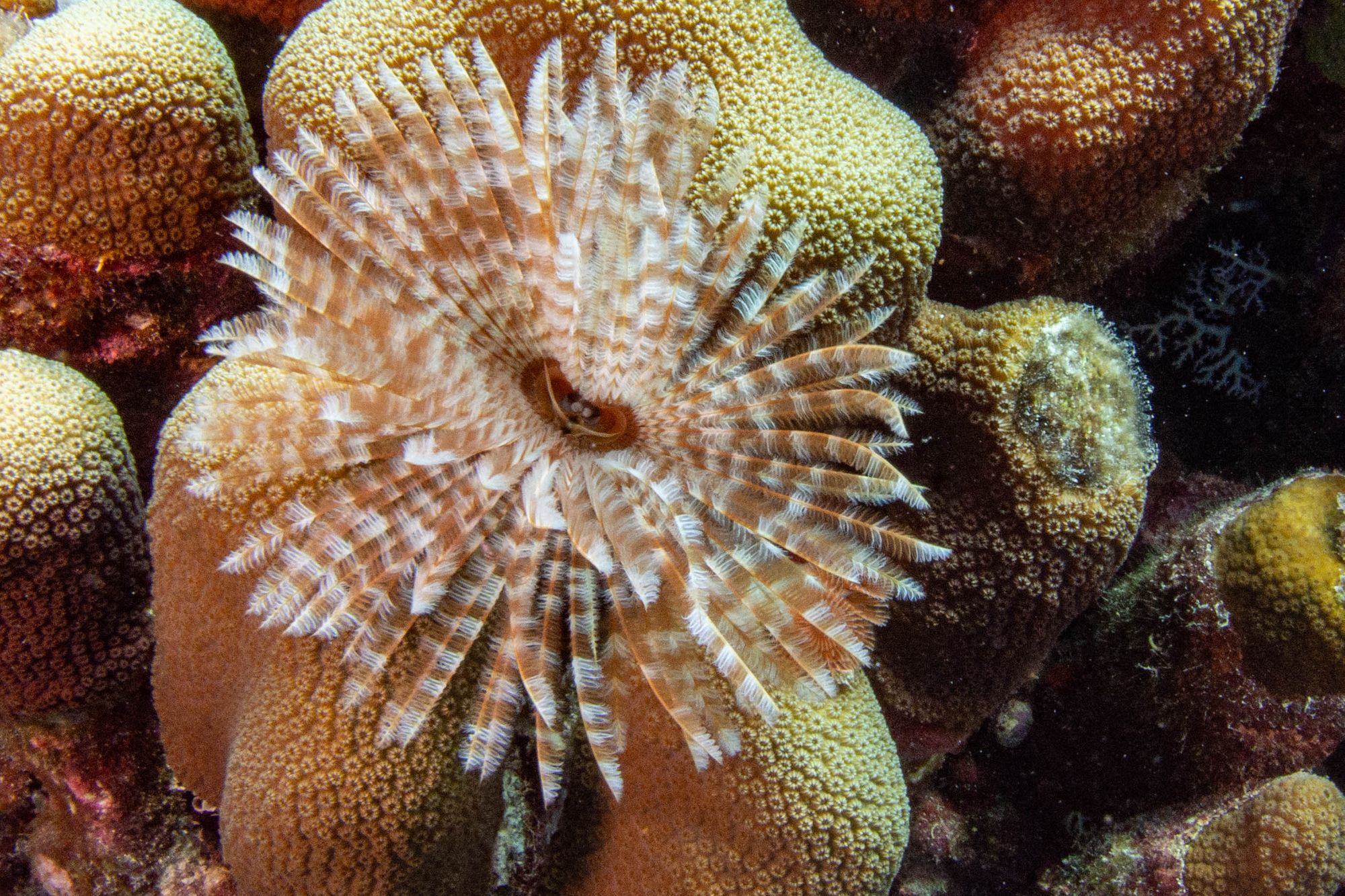
4. Is Curaçao good for beginner divers?
Yes. Curaçao has gentle shore entry dives and calm waters that are great for beginners. Ropes and clear guides at some sites make navigation easier.
5. What marine life can I expect to see?
Expect colourful reef fish like parrotfish, triggerfish, tangs, and trumpetfish. You’ll also spot critters like crabs, shrimp, moray eels, and stingrays. On lucky days, larger animals like whale sharks may pass through.
6. How is visibility underwater in Curaçao?
Visibility is usually strong, especially in the dry season, thanks to the island’s calm and clear water. It’s one of the reasons Curaçao diving is consistently recommended.
7. Are night dives available in Curaçao?
Yes — many operators offer night diving. Night dives bring out different critters like lobsters, octopus, and sleeping reef fish.
8. Do I have to be certified to dive in Curaçao?
Yes. To dive independently with a buddy or join most guided dives, you need a certified scuba qualification. If you’re not certified, many dive shops offer intro dives and certification courses.
9. What else is there to do in Curaçao besides diving?
From beaches like Mambo Beach to local eats and island tours, Curaçao has cultural sights, shopping, snorkeling, and relaxing coastal spots that round out your trip.
10. Is Curaçao safe for divers?
Curaçao is generally considered safe for divers, with professional dive operators and well‑marked sites. As with anywhere, following dive plans and local guidance is key.
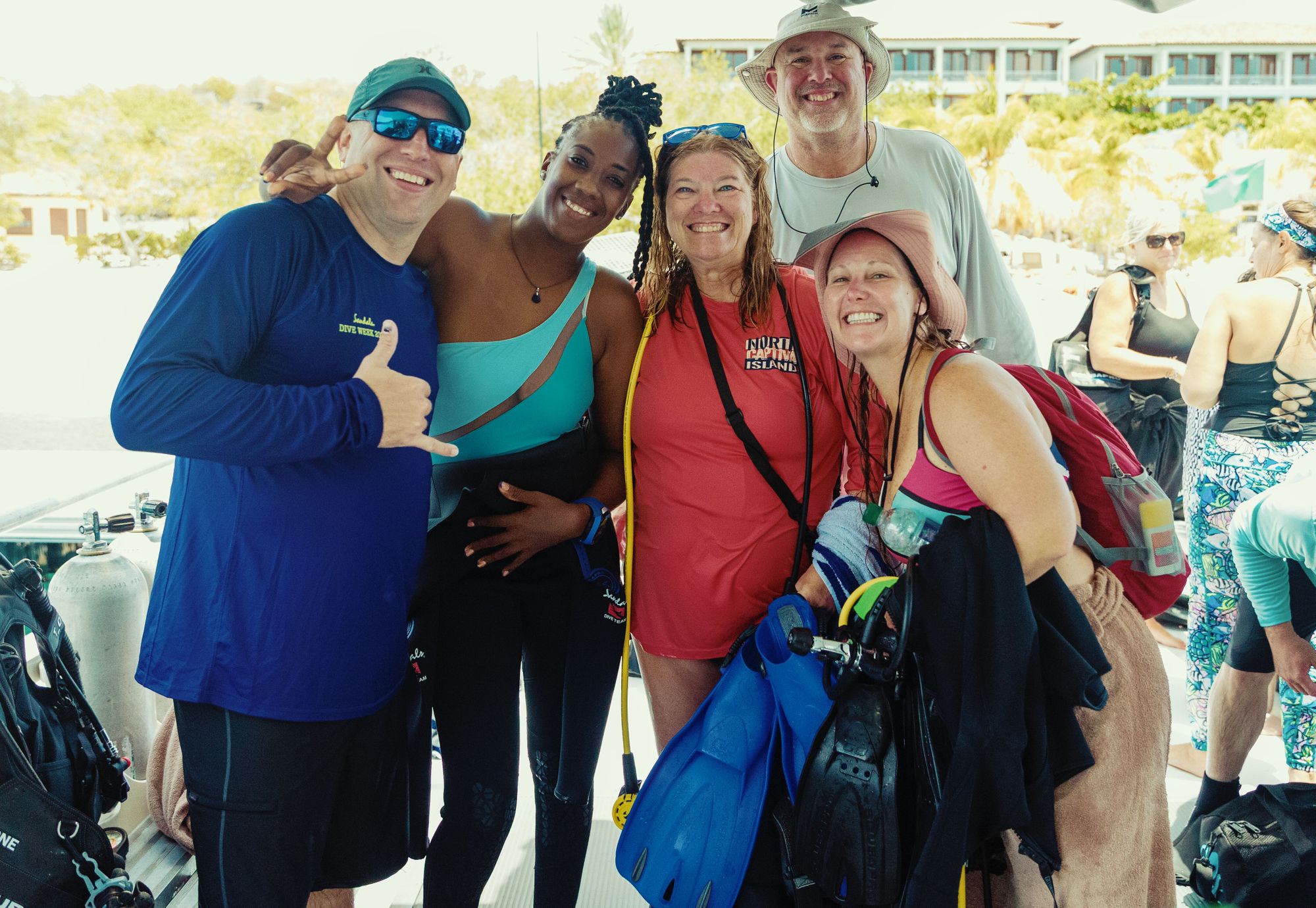
Good to know: Sandals Dive Week made a splash in Curaçao in 2025, bringing together dive lovers for a full week of curated dives, expert-led sessions, and good times above and below the surface. The next one’s already on the calendar—Sandals Grenada, September 13–18, 2026. If diving is your thing, this is one to plan ahead for.
Read More Travel Guides
The Smart Traveler’s Guide To The Prettiest Places To Stay In Curaçao
A few years ago I went to Curaçao. It instantly became one of my favorite destinations. I had traveled to many Caribbean islands and I’m from one myself, Saint Lucia. Still, the friendliness of the people stood out. Islanders are…
READ MORE
The Beach Bum's Guide To The Prettiest Caribbean Islands
An upcoming Caribbean vacation has a way of brightening the weeks leading up to it. The closer the trip gets, the more the mind drifts toward warm water, ocean views, and the simple feeling of island life. But before you find your…
READ MORE
The Foodie’s Guide To The Sandals All-Inclusive Resorts With The Best Food
If there were ever a time to say the myth of mediocre all-inclusive food is over, it is now. The days when dining at an all-inclusive resort meant piling your plate high at the buffet are long gone. That is not to say buffets have…
READ MORE

Read More Travel Guides
The Smart Traveler’s Guide To The Prettiest Places To Stay In Curaçao
A few years ago I went to Curaçao. It instantly became one of my favorite destinations. I had traveled to many Caribbean islands and I’m from one myself, Saint Lucia. Still, the friendliness of the people stood out. Islanders are…
READ MOREThe Beach Bum's Guide To The Prettiest Caribbean Islands
An upcoming Caribbean vacation has a way of brightening the weeks leading up to it. The closer the trip gets, the more the mind drifts toward warm water, ocean views, and the simple feeling of island life. But before you find your…
READ MOREThe Foodie’s Guide To The Sandals All-Inclusive Resorts With The Best Food
If there were ever a time to say the myth of mediocre all-inclusive food is over, it is now. The days when dining at an all-inclusive resort meant piling your plate high at the buffet are long gone. That is not to say buffets have…
READ MORE